Hearty Jambalaya: The Secret to Never Mushy Rice
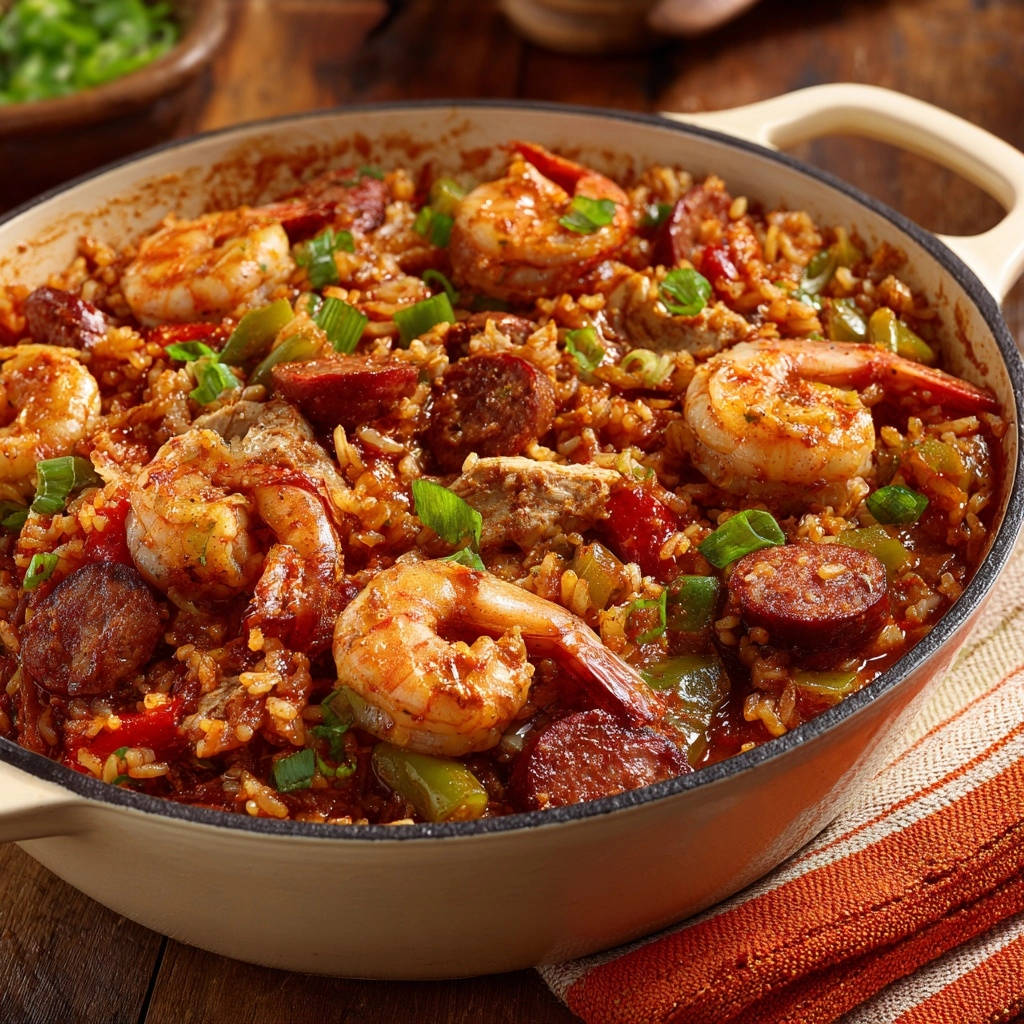
For years, I’ve heard the lament: “My jambalaya always turns out mushy!” It’s a common culinary heartbreak, but I’m thrilled to share my tried-and-true recipe for a truly exceptional Hearty Jambalaya where every grain of rice is perfectly distinct and bursting with authentic Creole flavor.
This isn’t just another recipe; it’s the definitive guide, featuring one game-changing technique that guarantees fluffy, separate rice in every spoonful of this incredible one-pot wonder.
Why This Hearty Jambalaya Will Become Your Go-To Recipe
The “Never Mushy Rice” Promise: Our Secret Weapon Unveiled
The core of this recipe’s success lies in a crucial rice-toasting step. By gently toasting the thoroughly rinsed long-grain white rice in aromatics before adding liquid, we strengthen its starch structure.
Get Our Best Recipes Weekly!
Join thousands of food lovers and get delicious recipes delivered to your inbox.
For more ideas on achieving rice perfection, check out this Cheesy Chicken & Rice Bake.
This technique creates a protective barrier, preventing the rice from becoming a gummy mess and ensuring each grain remains wonderfully fluffy and separate.
A Flavorful One-Pot Wonder: Max Taste, Minimum Cleanup
This Hearty Jambalaya is a testament to the magic of one-pot cooking. Every ingredient, from the browned proteins to the aromatic vegetables, builds layers of deep, complex flavor directly in a single pot.
This approach not only minimizes washing up but also allows all the ingredients to meld beautifully, creating an incredibly satisfying and cohesive dish.
Authentic Creole Deliciousness Made Simple
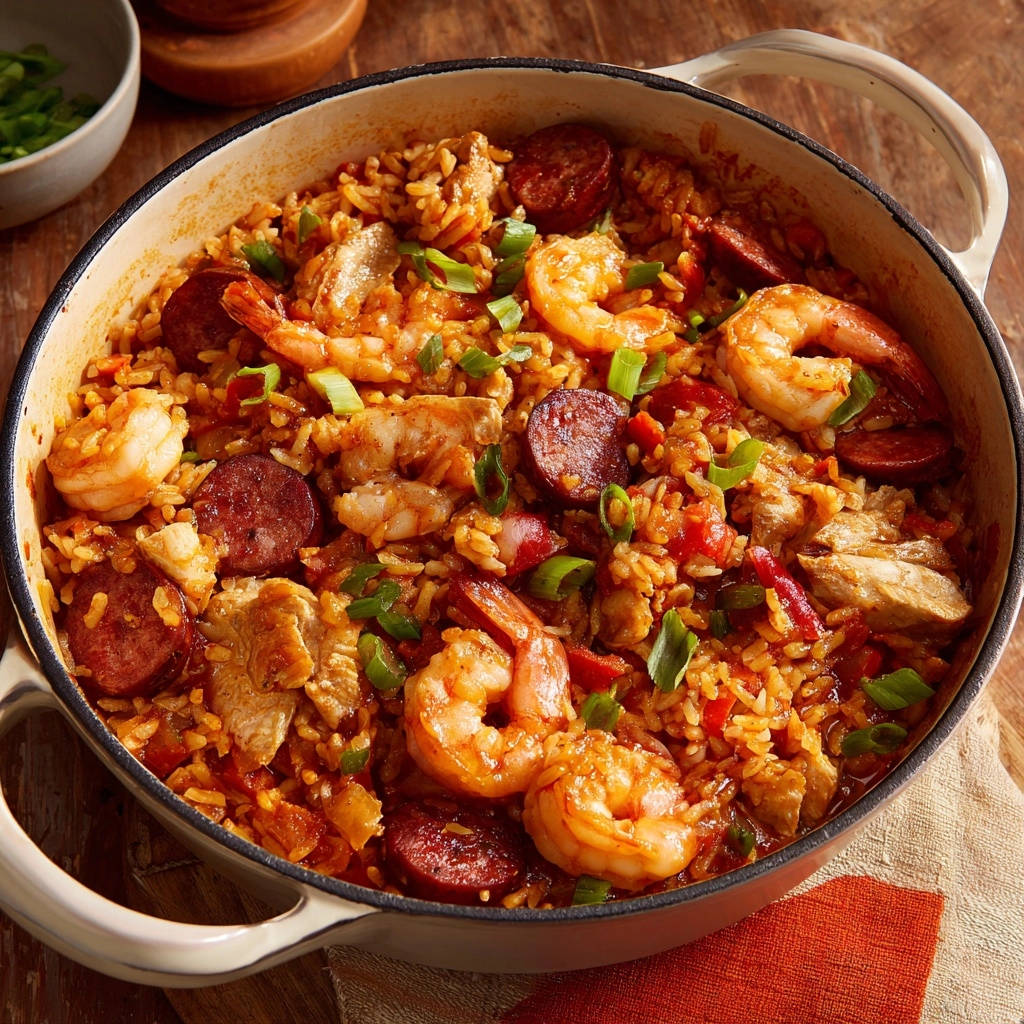
We honor the rich traditions of Creole cuisine by building a robust flavor foundation with the “Holy Trinity” of vegetables and a balanced Cajun seasoning blend.
Despite its rich, authentic taste, the steps are straightforward and designed for home cooks, making genuine Creole deliciousness accessible to everyone.
Gathering Your Flavorful Hearty Jambalaya Components
The Meaty Trifecta: Shrimp, Chicken & Savory Sausage
This classic combination provides a fantastic interplay of textures and flavors. We use large shrimp for their quick-cooking sweetness and tenderness.
Boneless, skinless chicken breast or thighs add a hearty, savory element that browns beautifully. Smoked sausage (opt for chicken or beef varieties) brings a foundational smoky depth that is irreplaceable.
Aromatic Foundation: The Essential “Holy Trinity” & Garlic
The “Holy Trinity” of diced onion, green bell pepper, and celery forms the soul of any good Creole or Cajun dish. These vegetables provide a sweet, earthy base that slowly caramelizes.
Minced garlic infuses the entire dish with a pungent warmth, crucial for the overall aromatic profile of this Hearty Jambalaya.
The Heart of the Dish: Perfectly Rinsed Long-Grain White Rice
Long-grain white rice is essential here for its distinct grain structure, which holds up well to cooking. Thoroughly rinsing the rice until the water runs clear is a non-negotiable step.
This process removes excess surface starch, which is a primary culprit for mushy rice.
For rice that stays fluffy, consider this fuss-free skillet jambalaya-style rice.
Spices & Seasonings: Crafting the Creole Kick
A good quality Cajun seasoning blend delivers the characteristic spice and herbaceousness of jambalaya. We balance this with salt and black pepper.
These seasonings are critical for enhancing the natural flavors of the proteins and vegetables, providing that signature Creole kick.
The Liquid Gold: Hot Chicken Broth & Diced Tomatoes
Using hot chicken broth helps to maintain the pot’s temperature, promoting even cooking of the rice. It’s the primary liquid that infuses the rice with savory notes.
Undrained canned diced tomatoes add a crucial acidic brightness and a subtle sweetness, helping to balance the richness of the meats and spices.
Essential Tools for Your Hearty Jambalaya Journey
Large, Heavy-Bottomed Pot or Dutch Oven: Crucial for even heat distribution and preventing sticking, which is key for perfectly cooked rice.
Sharp Knife & Cutting Board: For efficient and safe ingredient preparation, ensuring uniform cuts for even cooking.
Wooden Spoon or Spatula: Ideal for stirring and scraping up browned bits, which are packed with flavor, from the bottom of the pot.
Measuring Cups & Spoons: For accurate ingredient ratios, ensuring consistent results, especially for the rice and liquid balance.
Your Step-by-Step Guide to Flawless Hearty Jambalaya
- Brown the Proteins:
In a large, heavy-bottomed pot or Dutch oven, heat 2 tablespoons of cooking oil over medium-high heat. Add the sliced smoked sausage and chicken pieces, cooking until they are nicely browned on all sides.
This browning step is crucial for developing deep, complex flavors. Remove the cooked proteins from the pot and set them aside, leaving any delicious rendered fat to flavor the vegetables.
- Sauté the Aromatic Vegetables:
Add the diced onion, green bell pepper, red bell pepper, and celery to the pot with the remaining fat. Cook over medium heat, stirring occasionally, until the vegetables begin to soften, which usually takes about 7-10 minutes.
This slow sautéing allows the “Holy Trinity” to release its sweet aromas and build a foundational layer of flavor for your Hearty Jambalaya.
- Infuse with Garlic and Tomatoes:
Stir in the minced garlic and cook for just 1 minute until it becomes wonderfully fragrant, being careful not to let it burn. Next, add the undrained diced tomatoes, stirring them into the vegetables.
Scrape up any browned bits from the bottom of the pot, as these are packed with flavor. Allow the tomatoes to cook for 2-3 minutes, breaking down slightly and adding a pleasant acidity.
- The Golden Rule: Toasting the Rice to Perfection:
Add the thoroughly rinsed long-grain white rice directly to the pot. Stir well, ensuring every single grain is coated with the oil and aromatic vegetables.
Cook for 2-3 minutes, stirring occasionally, until the edges of the rice grains start to look slightly translucent and you can smell a faint, nutty, toasty aroma. This crucial step strengthens the rice starch, directly preventing it from becoming gummy and guaranteeing a fluffy texture.
- Season and Introduce the Broth:
Stir in the Cajun seasoning, salt, and black pepper, mixing thoroughly to ensure all the flavors are evenly distributed. Pour in the hot chicken broth, which helps maintain the pot’s temperature for even cooking.
Bring the mixture to a rolling boil, giving it a gentle stir once or twice to ensure no rice is sticking to the bottom of the pot.
- Combine & Simmer: The Uninterrupted Cook:
Return the reserved browned sausage and chicken to the pot, nestling them into the rice mixture. Give it one gentle stir to distribute the proteins evenly.
Reduce the heat to the lowest setting, cover the pot tightly with a heavy lid, and, critically, DO NOT lift the lid for the next 20-25 minutes. This uninterrupted steaming is essential for the rice to cook perfectly and absorb the liquid.
- Add the Shrimp & Finish Steaming:
After the initial 20-25 minutes, gently lift the lid (just this once!) and nestle the raw shrimp into the top of the rice mixture. Replace the lid tightly.
Continue to cook for another 5-7 minutes, or until the shrimp are completely pink and cooked through by the residual steam. The shrimp cook quickly and will be perfectly tender.
- The All-Important Rest & Fluff:
Remove the pot from the heat, keeping it covered, and let it rest undisturbed for 10 minutes. This resting period is vital for any remaining liquid to absorb fully and for the rice grains to firm up to their distinct, ideal texture.
Finally, uncover, gently fluff the Hearty Jambalaya with a fork to separate the grains, garnish generously with fresh chopped green onions, and serve hot.
What Else to Make?
Round out your meal with these complementary dishes.
- For a creamy accompaniment, consider serving with Southern Baked Grits, offering a rich, comforting contrast.
- If you enjoy seafood with your rice, Creole-Style Shrimp & Corn Stew brings a similar regional flair.
Chef’s Secrets: Elevating Your Hearty Jambalaya Game
Don’t Skimp on the Rinse: Thoroughly rinsing the rice until the water runs completely clear is paramount. This removes excess surface starch, which is a major culprit for mushy jambalaya.
Listen to Your Rice: During the toasting phase (Step 4), a faint, nutty, toasty aroma is your cue that the rice starch is strengthening. Don’t rush this step; it’s the foundation for truly non-mushy rice.
Hot Broth is Your Friend: Always use hot chicken broth when adding it to the pot. This helps maintain the pot’s temperature, ensuring an even and consistent cook for the rice and preventing the cooking process from stalling.
Resist the Urge to Peek: Lifting the lid during the crucial steaming process (Step 6) releases precious steam and drops the internal temperature. This interrupts the even cooking of the rice, so trust the process and keep that lid on!
The Power of the Rest: Allowing the jambalaya to rest off the heat, still covered, for 10 minutes (Step 8) is critical. This allows the rice to fully absorb any remaining liquid and achieve its ideal, fluffy texture.
Hearty Jambalaya Troubleshooting: Common Pitfalls & Solutions
“Why is My Rice Still Mushy or Sticky?”
This is often due to insufficient rinsing of the rice, inadequate toasting in step 4, or lifting the lid too often during the steaming process. Ensure you rinse until water runs clear and give the rice those crucial minutes to toast and strengthen its starch before adding liquid.
Also, avoid peeking during the covered simmer; steam is essential for distinct grains.
“My Jambalaya is Too Dry/Wet!”
If your Hearty Jambalaya is too dry, your heat might have been too high during simmering, or your lid wasn’t tight enough, allowing steam to escape. For a wet or soupy result, your heat might have been too low, or you might have added slightly too much liquid initially.
Always ensure precise liquid measurement and use a heavy, tight-fitting lid to trap steam effectively.
“It Tastes Bland or Lacks Depth!”
This could be due to under-seasoning or not browning the proteins and sautéing the vegetables sufficiently to build a rich flavor base. The initial browning and slow cooking of the “Holy Trinity” are vital for depth.
Don’t be shy with the Cajun seasoning, and always taste and adjust the salt and pepper at the end for the perfect balance.
“The Bottom is Sticking or Burning!”
This usually happens if the heat is too high during the covered simmering stage, or if you stirred too much after adding the rice and broth. Excessive stirring can scrape starches from the bottom, causing them to stick and burn.
Maintain the absolute lowest heat setting once the pot is covered, and avoid disturbing the jambalaya until the very end.
Serving, Storing, & Reheating Your Hearty Jambalaya
Perfect Pairings: What to Serve with Your Jambalaya
Hearty Jambalaya is a complete and satisfying meal on its own, but it pairs wonderfully with simple accompaniments. A light, crisp side salad dressed with a tangy vinaigrette offers a refreshing contrast.
Crusty French bread is perfect for soaking up any delicious juices, or you could serve it with some simply steamed green beans or okra for a touch of green.
Make-Ahead Magic: Prepping for a Busy Week
While best served fresh, you can certainly prepare components in advance to make cooking on a busy weeknight much faster. Chop all your vegetables (onion, bell peppers, celery, garlic) a day or two ahead.
You can also slice your smoked sausage and cut your chicken into pieces. Store these prepped ingredients separately in airtight containers in the refrigerator, ready for easy assembly.
Storing Leftovers & Reheating Tips
Store any cooled leftover Hearty Jambalaya in an airtight container in the refrigerator for up to 3-4 days. It makes for excellent lunches!
To reheat, gently warm individual portions in the microwave or on the stovetop over low heat. Add a splash of chicken broth or water to help rehydrate the rice and prevent it from drying out.
Your Hearty Jambalaya Questions Answered
Can I use different types of sausage or meat in this recipe?
Absolutely! While smoked sausage and chicken are traditional, feel free to experiment to suit your taste. Andouille sausage is a classic choice for a spicier, more authentic kick. You can also swap chicken for pork or even add diced ham for variety.
Is it possible to make this vegetarian or vegan?
Yes, you can adapt this recipe successfully! Omit the meats and shrimp entirely. Increase the quantities of bell peppers, onions, and celery, and consider adding hearty vegetables like mushrooms, corn, black beans, or even plant-based sausages. Crucially, use vegetable broth instead of chicken broth, and the rice-toasting technique remains just as vital!
How can I adjust the spice level of my jambalaya?
The spice level in this Hearty Jambalaya largely comes from the Cajun seasoning blend. To make it spicier, you can add a pinch or two of cayenne pepper along with the Cajun seasoning, or opt for a “hot” variety of Cajun seasoning. For a milder version, simply use a mild Cajun blend and omit any extra cayenne.
How long does homemade jambalaya last in the fridge?
Properly stored in an airtight container, your homemade Hearty Jambalaya will last safely and deliciously in the refrigerator for 3 to 4 days. It’s fantastic for meal prepping and enjoying throughout the week!
Whip Up This Hearty Jambalaya & Delight Your Loved Ones!
Now that you’re armed with the definitive secrets to a truly outstanding and never-mushy Hearty Jambalaya, it’s time to head to the kitchen with confidence! This iconic one-pot dish is more than just a meal; it’s a celebration of vibrant flavors, rich history, and the joy of communal dining.
Prepare to impress your family and friends with a perfectly cooked, deeply flavorful jambalaya that will have everyone asking for seconds. Don’t forget to share your culinary creations with us – we love seeing your successes!
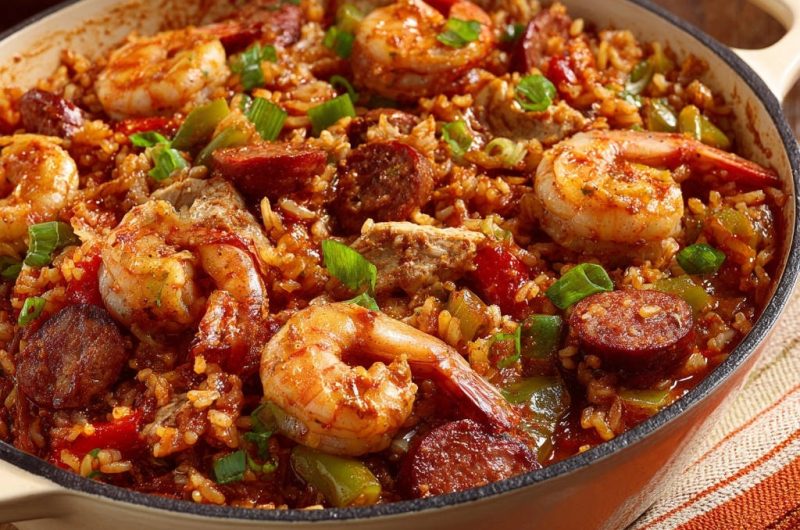
Hearty Jambalaya
Course: Main CourseCuisine: American CuisineDifficulty: easy6
servings25
minutes1
hour60
minutesAmerican Cuisine
Ingredients
1 lb large shrimp, peeled and deveined
1 lb smoked sausage (chicken or beef style), sliced
1 lb boneless, skinless chicken breast or thighs, cut into 1-inch pieces
2 tbsp cooking oil
1 large onion, diced
1 green bell pepper, diced
1 red bell pepper, diced
2 celery stalks, diced
4 cloves garlic, minced
1 (14.5 oz) can diced tomatoes, undrained
2 cups long-grain white rice, rinsed thoroughly
3.5 cups chicken broth, heated
2 tbsp Cajun seasoning (or to taste)
1 tsp salt (adjust to taste)
1/2 tsp black pepper
1/4 cup chopped green onions, for garnish
Directions
- Heat cooking oil in a large, heavy-bottomed pot or Dutch oven over medium-high heat. Add the sliced smoked sausage and chicken pieces. Cook, stirring occasionally, until browned on all sides. Remove the sausage and chicken from the pot and set aside, leaving any rendered fat in the pot.
- Add the diced onion, green bell pepper, red bell pepper, and celery to the pot. Cook over medium heat, stirring occasionally, until the vegetables begin to soften, about 7-10 minutes.
- Stir in the minced garlic and cook for 1 minute until fragrant. Add the undrained diced tomatoes, stirring to combine and scraping up any browned bits from the bottom of the pot. Cook for 2-3 minutes, allowing the tomatoes to break down slightly.
- This is the secret to non-mushy rice! Add the thoroughly rinsed long-grain white rice to the pot. Stir well to coat every grain with the oil and aromatics. Cook for 2-3 minutes, stirring occasionally, until the edges of the rice grains start to look slightly translucent and you can smell a faint toasty aroma. This crucial step strengthens the rice starch, preventing it from becoming gummy.
- Stir in the Cajun seasoning, salt, and black pepper. Pour in the hot chicken broth. Bring the mixture to a rolling boil, ensuring no rice is sticking to the bottom.
- Return the reserved sausage and chicken to the pot. Stir gently once to distribute evenly. Reduce the heat to the lowest setting, cover the pot tightly with a heavy lid, and do not lift the lid.
- Cook for 20-25 minutes without disturbing. It’s critical not to peek, as this allows the rice to steam evenly and absorb the liquid properly.
- After 20-25 minutes, gently nestle the raw shrimp into the rice mixture on top. Replace the lid and continue to cook for another 5-7 minutes, or until the shrimp are pink and cooked through.
- Remove the pot from the heat (still covered) and let it rest for 10 minutes. This resting period allows any remaining liquid to absorb fully and the rice to firm up perfectly.
- Uncover, gently fluff the jambalaya with a fork. Garnish generously with fresh chopped green onions and serve hot.
Notes
- The crucial rice toasting step (Step 4) ensures perfectly fluffy, separate grains.