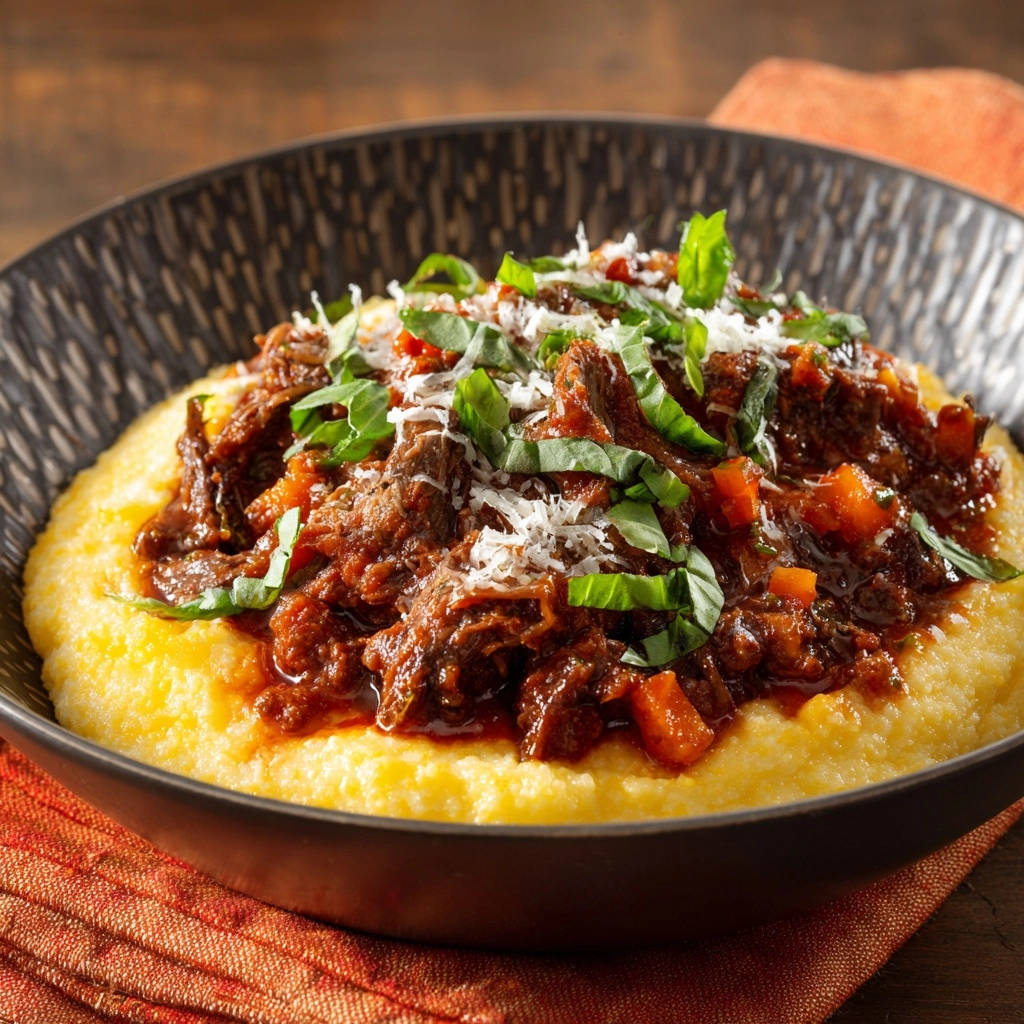
Braised Beef Ragu with Creamy Polenta: No More Gummy Polenta!
I remember my first attempt at making a proper Braised Beef Ragu with Creamy Polenta. The ragu was glorious, but the polenta… a lumpy, gluey mess that threatened to stick to the roof of my mouth! This recipe changed everything, transforming a tricky side into a velvety, smooth dream, guaranteed to elevate your slow-cooked beef ragu to truly restaurant-quality status every single time.
Why This Braised Beef Ragu with Creamy Polenta Will Be Your New Favorite
Get ready to embrace a meal that comforts the soul and impresses the palate. This recipe for Braised Beef Ragu with Creamy Polenta isn’t just about cooking; it’s about creating an experience.
Round Out Your Meal
To complement your rich braised beef ragu with creamy polenta, consider these dishes that offer contrasting textures and bright flavors.
Get Our Best Recipes Weekly!
Join thousands of food lovers and get delicious recipes delivered to your inbox.
- For a smooth starter, try the velvety green puree soup, offering a light, fresh counterpoint.
- Pair your ragu with the crispiness of garlic parmesan roasted Brussels sprouts for a satisfying textural contrast.
Unlocking the “No Gummy Polenta” Secret
The fear of gummy, lumpy polenta has deterred many a home cook from attempting this classic dish. Our method definitively eliminates this common pitfall, ensuring a consistently smooth, luxurious texture.
You’ll discover the simple yet powerful technique that guarantees your polenta is always light, airy, and utterly delightful, providing the perfect counterpoint to the rich ragu.
Achieving Restaurant-Quality Comfort at Home
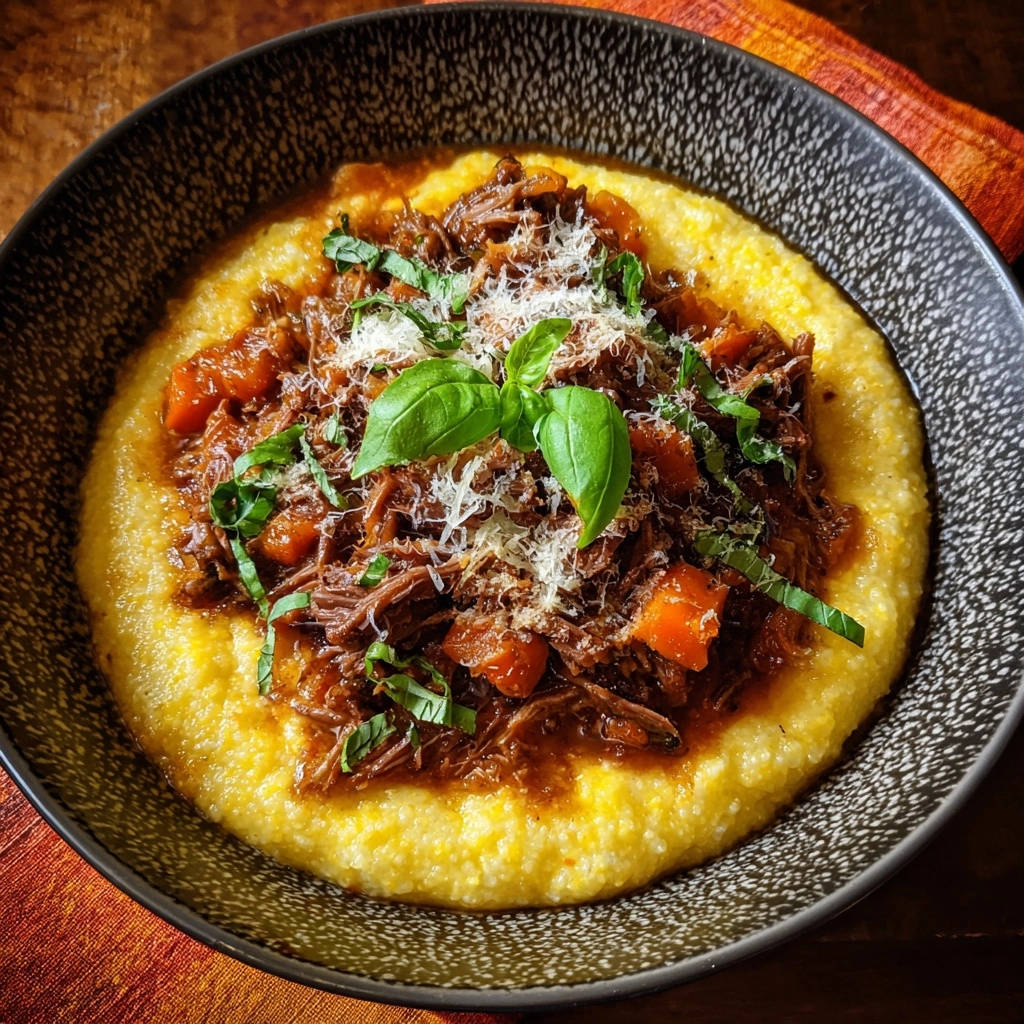
Imagine a rich, deeply flavored slow-cooked beef ragu, so tender it melts in your mouth, served over a bed of velvety polenta. This is precisely what you’ll achieve with this recipe.
We guide you through developing complex flavors and perfect textures, bringing a sophisticated, hearty meal from a fine dining establishment right to your kitchen table.
A Meal That Impresses with Minimal Fuss (Relatively!)
While the results are undeniably impressive, the process for this Braised Beef Ragu with Creamy Polenta is surprisingly manageable. Most of the ragu’s magic happens hands-off in the oven or on the stovetop.
The polenta technique is straightforward once you understand the simple secret, making this an ideal dish for a comforting family dinner or an elegant gathering.
The Essential Ingredients for Your Rich Ragu and Silky Polenta
The foundation of any exceptional dish lies in the quality and understanding of its ingredients. Selecting the right components ensures maximum flavor and perfect texture.
For the Deeply Flavored Beef Ragu
- 2 pounds boneless beef chuck roast:
Choose a well-marbled cut, cut into 1 1/2-inch pieces. Marbling is key for incredible tenderness and flavor in a slow-cooked beef ragu.
- 2 tablespoons olive oil:
A good quality extra virgin olive oil provides a solid base for sautéing and browning.
- 1 large onion, chopped:
The aromatic backbone of the sauce, providing sweetness and depth.
- 2 carrots, peeled and diced:
Adds natural sweetness and color, essential for a balanced mirepoix.
- 2 celery stalks, diced:
Contributes a subtle savory note, completing the classic flavor base.
- 4 cloves garlic, minced:
Garlic is non-negotiable for its pungent, aromatic contribution to the rich sauce.
- 1 (28 ounce) can crushed tomatoes:
High-quality crushed tomatoes form the rich, tangy heart of the ragu. Look for brands with minimal additives.
- 2 cups beef broth:
Good quality beef broth enhances the savory depth. Low-sodium is often preferred for seasoning control.
- 1 tablespoon dried Italian seasoning:
A convenient blend of herbs like oregano, basil, and thyme to infuse classic Italian flavor.
- 1 teaspoon salt & 1/2 teaspoon black pepper:
Foundation seasonings to bring out the best in all ingredients.
Crafting the Velvety Polenta Base
- 1 cup medium-ground polenta (corn grits):
Medium-ground is ideal for that perfectly creamy texture without being too fine or too coarse. Avoid instant polenta for best results.
- 4 cups water, plus more if needed:
Serves as the initial cooking liquid, ensuring proper hydration for the cornmeal.
- 2 cups milk (whole or 2%):
Milk adds richness and a beautiful creamy texture to the polenta, preventing it from tasting watery.
- 1 teaspoon salt:
Essential for seasoning the polenta from the inside out.
- 1/4 cup unsalted butter:
Stirred in at the end, butter imparts luxurious richness and a silky finish.
- 1/2 cup grated Parmesan cheese:
Adds a salty, umami depth and enhances the overall creamy texture of the polenta.
Garnishes and Flavor Boosters
- Fresh basil leaves, for garnish
- Grated Parmesan cheese, for garnish (freshly grated is always best!)
Tools of the Trade: Equipping Your Kitchen for Success
Having the right tools simplifies the cooking process and helps ensure optimal results for your Braised Beef Ragu with Creamy Polenta.
Key Equipment for Tender Ragu
- Large Dutch oven or heavy-bottomed pot
- Tongs or slotted spoon
- Cutting board and sharp knife
Achieving Polenta Perfection
- Large, heavy-bottomed saucepan
- Whisk
- Wooden spoon or spatula
Your Guided Journey to Braised Beef Ragu with Creamy Polenta Perfection
Embark on this culinary adventure with confidence. Each step is designed to build layers of flavor and achieve perfect textures, culminating in an extraordinary Braised Beef Ragu with Creamy Polenta.
Preparing and Browning the Beef
Pat beef dry: Thoroughly pat the 1 1/2-inch beef chuck pieces dry with paper towels. This step is absolutely crucial for achieving a deep, flavorful sear and crust.
Season and brown: Season the dried beef liberally with salt and pepper. Heat olive oil in a large Dutch oven over medium-high heat until shimmering. Brown the beef in batches, ensuring not to overcrowd the pot, for 3-4 minutes per side until deeply colored. A proper brown crust builds the foundational flavor for your ragu.
Remove the browned beef and set it aside, leaving any rendered fat and flavorful browned bits in the pot.
Building the Aromatic Ragu Base
Sauté aromatics: Reduce the heat to medium. Add the chopped onion, diced carrots, and diced celery to the pot. Cook, stirring occasionally, for 8-10 minutes until they have softened and become translucent. This process sweetens the vegetables and enhances their flavor.
Add garlic and seasoning: Stir in the minced garlic and Italian seasoning. Cook for just another minute until fragrant. Be careful not to burn the garlic, as this can turn bitter.
Slow Simmering for Fork-Tender Results
Combine and simmer: Return the browned beef to the pot. Pour in the crushed tomatoes and beef broth. Stir well to combine, scraping any remaining browned bits from the bottom of the pot.
Bring the mixture to a gentle simmer, then reduce the heat to low, cover the pot tightly, and cook for 2 1/2 to 3 hours. Alternatively, you can transfer it to a preheated 300°F oven. The low and slow cooking process is essential for breaking down the beef’s connective tissue, resulting in incredibly tender meat.
The ragu is ready when the beef is fork-tender and easily shreds with minimal effort.
Shredding and Finishing the Ragu
Shred the beef: Once cooked, carefully remove the beef from the pot using a slotted spoon. Place it on a cutting board or shallow dish.
Using two forks, shred the tender beef into rustic pieces. Return the shredded beef to the rich sauce, stir thoroughly to combine, and keep it warm while you prepare the creamy polenta.
Mastering the Creamy, Lump-Free Polenta Technique
Prepare liquids: In a large, heavy-bottomed saucepan, combine the 4 cups of water, 2 cups of milk, and 1 teaspoon of salt. Bring the liquid to a gentle simmer over medium heat. It should be warm and steamy, but not vigorously boiling.
The secret to no-gummy polenta: Once the liquid is gently simmering, begin to slowly, slowly drizzle in the medium-ground polenta with one hand. Simultaneously, continuously whisk vigorously with your other hand. This gradual addition and constant, energetic whisking is the critical step that prevents lumps from forming and ensures a perfectly smooth, velvety polenta.
The Long Stir: Cooking Out the Raw Cornmeal Taste
Cook and stir: Once all the polenta is incorporated and the mixture begins to thicken, reduce the heat to low. Continue to stir frequently with a wooden spoon or spatula, making sure to scrape the bottom and sides of the pot.
Cook for 30-40 minutes, or until the polenta is very thick, creamy, and the raw cornmeal taste has completely cooked out. This extended cooking time is essential for optimal flavor and texture.
Adjust consistency: If the polenta becomes too thick during cooking, add a splash more hot water or milk until it reaches your desired creamy consistency.
The Final Stir: Butter and Parmesan Infusion
Enrich and season: Remove the polenta from the heat. Stir in the 1/4 cup unsalted butter and 1/2 cup grated Parmesan cheese until both are fully melted and thoroughly combined, creating an incredibly rich and luxurious finish.
Taste the polenta and adjust seasoning if needed, adding more salt or pepper to your preference.
Assembling and Serving Your Culinary Creation
Serve immediately: Ladle a generous portion of the hot, creamy polenta into individual bowls. Top each serving with a hearty portion of the rich, braised beef ragu.
Garnish with fresh basil leaves and an extra sprinkle of grated Parmesan cheese for a touch of freshness and extra savory flavor. Serve immediately and savor every bite of this exceptional Braised Beef Ragu with Creamy Polenta.
Chef’s Wisdom: Pro Tips for an Unforgettable Braised Beef Ragu with Creamy Polenta
Beyond the recipe, these expert insights will elevate your Braised Beef Ragu with Creamy Polenta from great to truly extraordinary.
Maximizing Ragu Flavor Depth
Don’t Rush the Browning: Deeply browned beef adds immense flavor to your ragu. Ensure each piece has a rich, dark crust before removing it from the pot, as this forms the foundation of a flavorful sauce.
Deglaze for Extra Umami: After browning the beef and sautéing the vegetables, use a splash of red wine or a bit more beef broth to scrape up any browned bits from the bottom of the pan. These “fonds” are packed with flavor and shouldn’t be left behind.
Herb Enhancement: For an even richer aroma, consider adding a sprig of fresh rosemary or thyme during the slow cooking phase, removing it before shredding the beef. These hardy herbs infuse wonderfully.
Ensuring Flawless Polenta Every Time
Warm Liquids are Key: Always add polenta to simmering (not boiling) liquid. This helps prevent lumps and ensures even cooking from the start, contributing to that desired creamy texture.
The Whisking Marathon: Continuous, vigorous whisking during the initial polenta addition is the single most important step to achieving a lump-free, creamy texture. Don’t stop until it’s fully incorporated and smooth.
Patience in Cooking: The 30-40 minute cook time for polenta is not just for thickening; it’s essential to cook out the raw cornmeal flavor. Taste periodically to ensure it’s perfectly done and devoid of any grainy taste.
Make-Ahead & Storage Secrets
Ragu Reheats Beautifully: The beef ragu can be made 2-3 days in advance and stored in an airtight container in the refrigerator. Flavors often deepen overnight, making it even more delicious.
Freezing for Future Meals: Ragu freezes exceptionally well for up to 3 months. Thaw in the refrigerator overnight and reheat gently on the stovetop, adding a splash of broth if needed to restore consistency.
Polenta Best Fresh: While leftover polenta can be refrigerated (it will firm up considerably), it’s best enjoyed immediately after preparation for its ultimate creaminess. Reheat with extra milk or water for a softer consistency, whisking constantly.
Troubleshooting Common Ragu & Polenta Conundrums
Even seasoned cooks encounter challenges. Here are solutions to common issues you might face when making Braised Beef Ragu with Creamy Polenta.
Why isn’t my beef tender enough?
The most common reason for tough beef in a ragu is insufficient cooking time. Chuck roast requires a low, slow simmer for at least 2.5 to 3 hours to truly break down and become fork-tender.
Ensure your pot is covered tightly to prevent moisture loss, and that your heat is consistently low. Patience is truly a virtue when braising.
Dealing with Lumpy or Gummy Polenta
Lumpy polenta usually occurs from adding the cornmeal too quickly or not whisking continuously during the initial addition. Gummy polenta can result from either undercooking (the starch hasn’t fully hydrated) or overcooking (the starch has broken down too much).
Remember to drizzle slowly into simmering liquid while whisking vigorously. Cook for the full recommended time, stirring frequently, to ensure proper hydration and a cooked-out flavor.
My ragu sauce is too thin/thick.
If your ragu sauce is too thin, simply remove the beef and continue to simmer the sauce uncovered over medium-low heat. This allows excess liquid to evaporate, concentrating the flavors and thickening the sauce.
If it’s too thick, stir in a splash of beef broth or water until it reaches your desired consistency. You want a luscious, coating sauce, not a watery or pasty one.
Your Questions Answered: All About Braised Beef Ragu with Creamy Polenta
Let’s address some common queries to help you master your Braised Beef Ragu with Creamy Polenta.
Can I use a slow cooker for the ragu?
Yes, you absolutely can! After browning the beef and sautéing the aromatics on the stovetop, transfer everything to your slow cooker. Cook on low for 6-8 hours or on high for 3-4 hours, until the beef is fall-apart tender.
The slow cooker is an excellent tool for hands-off cooking, especially for a dish like this tender beef ragu.
What kind of polenta should I use?
For this recipe, we specifically recommend medium-ground polenta (often labeled as corn grits). This grind strikes the perfect balance, providing a creamy texture without becoming overly fine or too coarse.
Avoid instant or quick-cooking polenta, as it sacrifices flavor and texture for speed. Coarse-ground polenta will require significantly longer cooking times and more liquid.
Are there gluten-free or dairy-free options?
The Braised Beef Ragu itself is naturally gluten-free. For a dairy-free polenta, you can substitute the milk with a creamy plant-based milk (like oat or cashew milk) and use a dairy-free butter alternative.
Omit the Parmesan cheese or use a plant-based grated cheese substitute to maintain the savory, creamy element.
Can I add vegetables to the ragu?
Absolutely! The ragu is very forgiving and welcomes additional vegetables. Mushrooms, bell peppers, or even diced zucchini could be added alongside the carrots, onions, and celery.
Consider adding a handful of fresh spinach or kale at the very end of cooking, allowing it to wilt into the warm sauce for extra nutrients and color.
Beyond the Plate: Creative Ways to Serve Your Braised Beef Ragu
While the classic pairing with creamy polenta is divine, your versatile Braised Beef Ragu can star in many other culinary creations.
Classic Pairings with Creamy Polenta
- A simple green salad with a light vinaigrette to cut through the richness.
- Crusty artisan bread for soaking up every last drop of the rich sauce.
- Steamed green beans or asparagus as a fresh, vibrant side.
Innovative Uses for Leftover Ragu
- Ragu Pasta: Toss with your favorite pasta shape, from pappardelle to rigatoni, for a hearty Italian meal.
- Shepherd’s Pie: Top the ragu with a layer of creamy mashed potatoes or even leftover polenta and bake until golden.
- Sliders or Sandwiches: Pile the tender beef ragu onto small buns with a slice of provolone for a satisfying sandwich.
- Stuffed Bell Peppers: Mix the ragu with a little cooked rice and stuff into bell peppers, then bake until tender.
Savor the Moment: Your Braised Beef Ragu with Creamy Polenta Awaits!
You now possess the secrets to crafting an utterly divine Braised Beef Ragu with Creamy Polenta. No more rubbery beef, no more gummy polenta-just pure, unadulterated comfort food that rivals any restaurant dish.
The deep, slow-cooked flavors of the tender beef ragu, perfectly complemented by that velvety, lump-free polenta, create a harmony that will leave you feeling deeply satisfied.
Go forth, embrace this culinary journey, and share your incredible creation! We can’t wait to hear how this recipe for Braised Beef Ragu with Creamy Polenta transforms your kitchen.