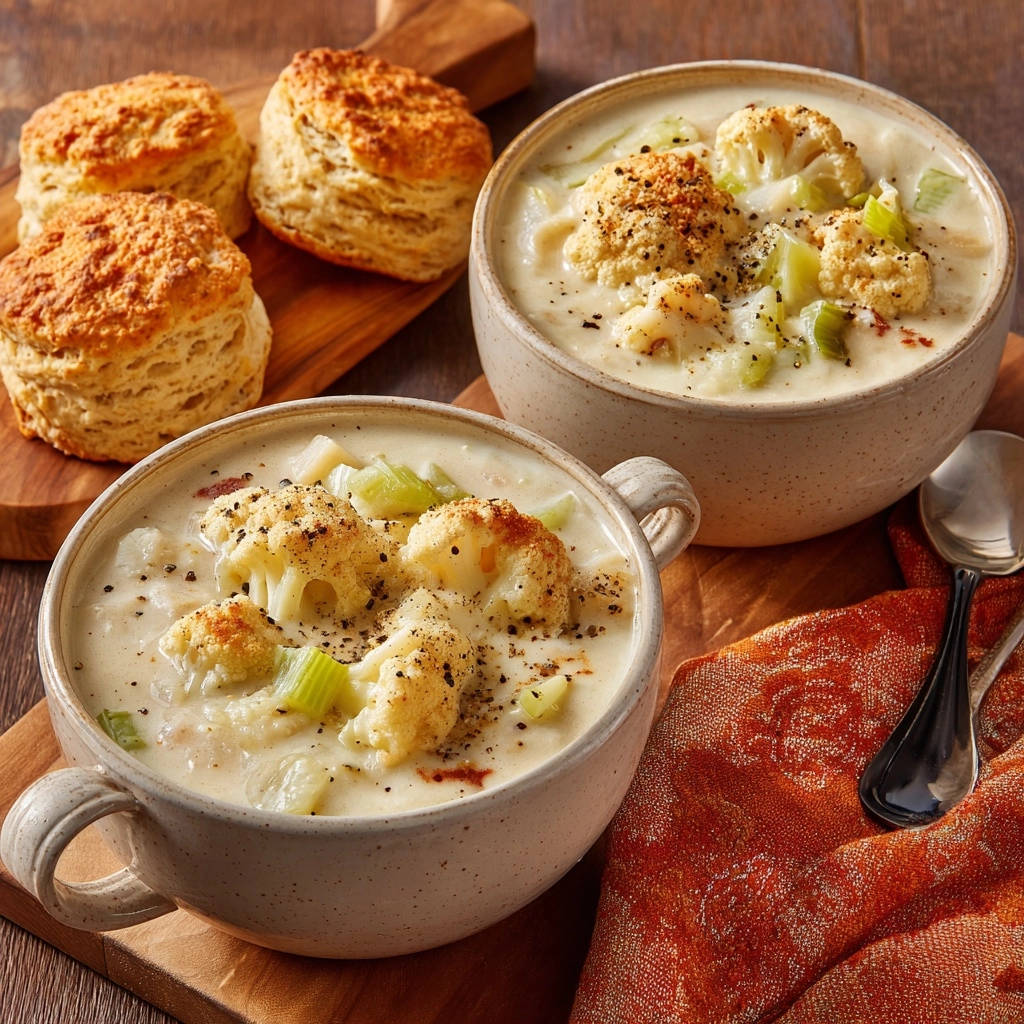
Creamy Roasted Cauliflower Chowder: The Roasting Secret!
For years, I believed creamy cauliflower soup was destined for either blandness or a disappointing, mushy texture. It felt impossible to achieve that perfect balance of rich flavor and satisfying substance, until I uncovered one simple, transformative technique.
This recipe for Creamy Roasted Cauliflower Chowder isn’t just another soup; it’s a revelation, leveraging a roasting secret that unlocks incredible depth and guarantees perfectly tender, never-mushy florets. Get ready for a comforting, flavor-packed bowl that will redefine your expectations of vegetable chowder.
The Roasting Revolution: Why This Creamy Roasted Cauliflower Chowder Stands Apart
The secret to an unparalleled Creamy Roasted Cauliflower Chowder lies in a step often overlooked: roasting. This singular technique elevates humble cauliflower from a mild vegetable to a deeply flavorful foundation, transforming the entire dish.
Get Our Best Recipes Weekly!
Join thousands of food lovers and get delicious recipes delivered to your inbox.
It’s the key to escaping bland, watery soups and embracing a truly hearty, complex meal. This chowder is packed with character and a delightful texture that simply cannot be achieved through boiling alone.
Unlocking Unforgettable Flavor: The Caramelization Magic
When cauliflower roasts, its natural sugars caramelize, creating a complex array of deep, nutty, and slightly sweet flavors. This maillard reaction is critical, developing profound taste notes that plain boiled cauliflower simply lacks.
This process ensures your creamy cauliflower chowder possesses a rich, savory backbone. It’s the difference between a good soup and an unforgettable one.
Say Goodbye to Mush: Perfect Texture Every Time
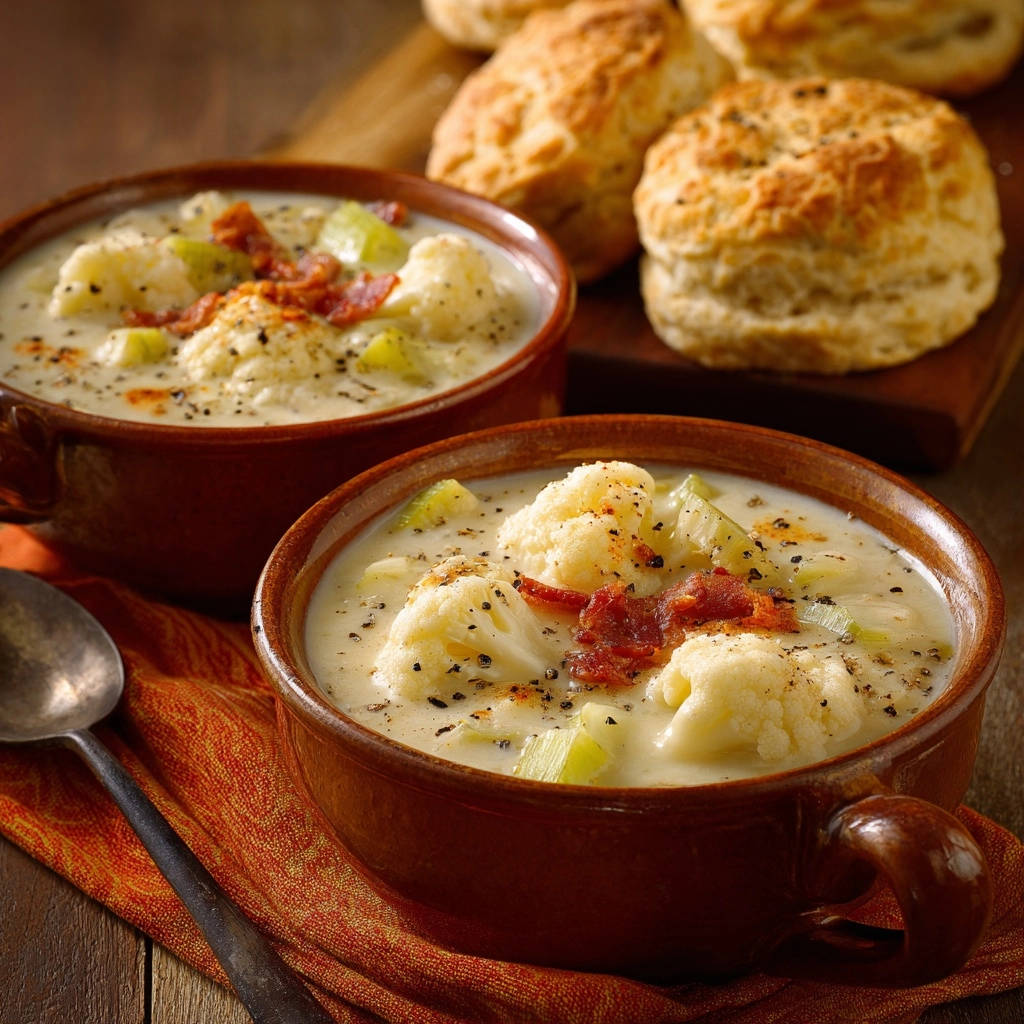
One of the biggest frustrations with cauliflower soup is the dreaded “baby food” texture. Roasting half of the florets before they even touch the liquid preserves their structure.
This technique results in a satisfying bite and prevents them from disintegrating into the chowder. You’ll enjoy distinct pieces of flavorful cauliflower, enhancing the overall eating experience.
A Hearty, Satisfying Meal for Any Occasion
Thanks to the potatoes and the robust flavor profile from roasting, this creamy chowder transcends a simple side dish. It stands proudly as a filling main course.
Perfect for a cozy weeknight dinner, a comforting lunch, or even impressing guests, this hearty cauliflower chowder brings warmth and satisfaction to any table.
Gather Your Essentials: The Building Blocks of Delicious Chowder
Crafting exceptional food begins with understanding your ingredients. Each component in this Creamy Roasted Cauliflower Chowder plays a vital role in achieving its comforting depth and texture.
More Cauliflower Creations
If you’re enjoying this creamy cauliflower chowder, you might also like these other ways to prepare the versatile vegetable.
- For extra crispy florets with deeply browned edges, explore this recipe for crispy roasted cauliflower.
- If you’re looking for a snackable cauliflower option, these crispy cauliflower bites offer a satisfying crunch.
Careful selection and thoughtful preparation of these elements are fundamental to your chowder’s success.
Cauliflower: The Star of the Show
Choose a large, firm head of cauliflower with tight, white florets, free from blemishes. We divide the florets for a reason: larger, more attractive pieces are destined for roasting to develop superior flavor and texture.
Smaller, more irregular florets will soften beautifully within the chowder base, contributing to its creamy consistency.
Aromatic Foundation: Onion, Celery, and Potatoes
Diced yellow onion and celery form the classic mirepoix, creating a sweet and savory aromatic base. These vegetables infuse the oil with their essence, building the first layer of flavor.
Diced potatoes add essential body and starch to the chowder, contributing to its satisfying heartiness and velvety mouthfeel.
The Creamy Trio: Broth, Milk, and Heavy Cream
The choice between chicken or vegetable broth sets the savory tone. Whole milk adds a gentle richness without overpowering, while heavy cream brings luxurious mouthfeel and decadent smoothness.
All-purpose flour acts as our thickening agent, expertly whisked into milk to form a slurry that ensures a lump-free, perfectly velvety chowder.
Seasoning and Garnish: Salt, Pepper, and Paprika
Salt and freshly ground black pepper are crucial for bringing all the flavors into harmony. Don’t underestimate their power to lift and brighten the entire dish.
A pinch of paprika for garnish adds a pop of color and a subtle, earthy undertone, enhancing the visual appeal of your hearty cauliflower chowder.
Your Kitchen Arsenal: Tools for Chowder Success
Baking Sheet: Crucial for evenly roasting and caramelizing the cauliflower florets, which develops significant flavor.
Large Pot or Dutch Oven: Ideal for sautéing aromatics, simmering the chowder base, and bringing it all together efficiently.
Whisk: Essential for smoothly combining flour and milk to create a lump-free slurry, preventing undesirable textures in your creamy chowder.
Sharp Knife and Cutting Board: For efficient and safe preparation of all your vegetables, ensuring uniform cuts for even cooking.
Ladle: For serving your hot, delicious chowder into individual bowls with ease and elegance.
Mastering the Method: A Step-by-Step Guide to Creamy Roasted Cauliflower Chowder Perfection
- Step 1: The Roasting Revelation
Preheat your oven to 400°F. Toss about half of the cauliflower florets (the larger, nicer ones) with 1 tablespoon of olive oil, a pinch of salt, and a dash of pepper on a baking sheet.
Roast for 20-25 minutes, or until tender, lightly browned, and caramelized. This crucial step deepens their flavor profile dramatically and ensures they maintain a pleasing texture, preventing any mushiness when added to the soup. Set the roasted florets aside.
- Step 2: Building the Aromatic Base
In a large pot or Dutch oven, melt the butter with the remaining 1 tablespoon of olive oil over medium heat.
Add the diced yellow onion and cook until softened and translucent, about 5 minutes. Stir in the diced celery and cook for another 3-4 minutes until slightly tender, creating a fragrant foundation for the chowder.
- Step 3: Simmering the Core Vegetables
Add the diced potatoes to the pot. Pour in the chicken or vegetable broth. Bring the mixture to a gentle simmer, then reduce the heat to low, cover, and cook for 10-12 minutes, or until the potatoes are beginning to soften.
Then, add the remaining, smaller fresh cauliflower florets. Continue to cook for another 5-8 minutes, or until both the potatoes and cauliflower are fork-tender, ensuring all main ingredients are perfectly cooked.
- Step 4: Crafting the Silky Thickener
In a separate small bowl, whisk together the 2 tablespoons of all-purpose flour with 1/2 cup of the milk until smooth and no lumps remain.
Gradually pour this mixture into the simmering chowder, stirring constantly to incorporate. Continue to cook for 2-3 minutes, allowing the soup to thicken slightly to a luxurious, velvety consistency.
- Step 5: The Creamy Grand Finale
Stir in the remaining 1/2 cup milk and the heavy cream. Season the chowder generously with salt and freshly ground black pepper to taste.
Heat the chowder through until warmed, but be careful not to bring it to a rolling boil after adding the cream to prevent curdling and maintain its smooth texture.
- Step 6: Assemble and Savor
Ladle the hot, creamy chowder into serving bowls. Top each serving with a generous spoonful of the reserved roasted cauliflower florets.
Finish with a sprinkle of paprika and extra black pepper for garnish. Serve immediately, perhaps with your favorite flaky biscuits or crusty bread, and enjoy!
Chef’s Secrets: Elevate Your Creamy Roasted Cauliflower Chowder
Don’t Skip the Roast: This is the secret ingredient for flavor depth. Ensure good browning and caramelization on the cauliflower for maximum impact, transforming it from plain to profoundly savory.
Mind Your Milk: When adding milk and cream, ensure they are at room temperature to help prevent curdling. Always keep the chowder at a gentle simmer, never a rolling boil, after dairy has been incorporated.
Season as You Go: Taste and adjust salt and pepper at various stages of cooking. Vegetables absorb seasoning, so building flavor layers is key to a perfectly balanced chowder.
Vary Your Cauliflower Cuts: Using smaller florets for simmering in the base and larger, more attractive ones for roasting ensures both a creamy texture within the soup and beautiful, toothsome toppings.
Garnish for Impact: A simple sprinkle of paprika and fresh black pepper not only adds visual appeal but also a subtle flavor kick. Consider fresh herbs like chives, parsley, or dill for added freshness.
Beyond the Bowl: Serving Suggestions & Flavor Adventures
This Creamy Roasted Cauliflower Chowder is wonderfully versatile, perfect for tailoring to your preferences. Explore these ideas to make each serving a unique experience.
From simple pairings to creative twists, you can easily adapt this dish to any meal or craving.
Perfect Pairings for a Complete Meal
Serve your creamy chowder alongside a basket of warm, crusty bread or light, flaky biscuits for dipping. These are ideal for soaking up every last drop of the rich broth.
A fresh, crisp green salad with a light vinaigrette offers a refreshing counterpoint to the chowder’s richness. For a more substantial meal, consider a simple grilled chicken breast on the side.
Creative Customizations & Variations
Add a Smoky Touch: Stir in a touch of smoked paprika with your seasonings, or top with crispy bacon bits or smoked ham for extra depth and a delightful texture.
Cheesy Indulgence: Swirl in some shredded sharp cheddar, Gruyère, or smoked gouda just before serving for an extra layer of richness and savory appeal.
Herbaceous Freshness: Finish with a generous sprinkle of fresh chives, parsley, or dill for a bright, aromatic contrast that lifts the flavors.
Spice It Up: A pinch of red pepper flakes or a dash of your favorite hot sauce can add a pleasant, warming kick, especially on a chilly evening.
Boost the Veggies: Stir in some corn kernels, diced carrots, or spinach in the last few minutes of simmering for added nutrients, color, and texture variety.
Plan Ahead: Storing Your Creamy Roasted Cauliflower Chowder
One of the beauties of this Creamy Roasted Cauliflower Chowder is its make-ahead potential. Knowing how to properly store and reheat it ensures deliciousness for days to come.
Follow these tips to enjoy your chowder fresh, or save it for a future meal with ease.
Refrigeration and Reheating
Store leftover chowder in an airtight container in the refrigerator for up to 3-4 days. For reheating, gently warm on the stovetop over medium-low heat, stirring occasionally.
Avoid high heat or a rolling boil, which can cause dairy to separate. If reheating in the microwave, use short intervals, stirring between each to ensure even warming and maintain creaminess.
Freezing for Future Feasts (with a Note on Dairy)
While dairy-based soups can sometimes separate when frozen and thawed, it is possible with careful handling. For best results, consider freezing the chowder before adding the final milk and heavy cream.
Then, add fresh dairy when you reheat. If freezing the complete chowder, thaw in the refrigerator overnight and whisk vigorously while reheating gently on the stovetop to re-emulsify the ingredients.
Make-Ahead Magic: Prep for Quicker Meals
You can significantly reduce prep time by roasting the cauliflower florets in advance and storing them separately in the fridge. All your vegetables can also be chopped a day or two ahead of time.
You can even prepare the initial broth base with the potatoes and fresh cauliflower (Step 3) and refrigerate it. Add the thickener and dairy when you’re ready to finish the chowder.
Common Chowder Quandaries: Troubleshooting Your Recipe
Even seasoned cooks encounter challenges. Here are some common issues with creamy chowders and straightforward solutions to ensure your Creamy Roasted Cauliflower Chowder turns out perfectly every time.
Why Isn’t My Chowder Thickening?
This often happens if the flour-milk slurry wasn’t cooked long enough after being added, or if there wasn’t enough flour for the liquid volume. Ensure the chowder comes to a gentle simmer for at least 2-3 minutes after adding the slurry.
If it’s still too thin, whisk together 1 tablespoon of flour with 2 tablespoons of cold milk, then slowly whisk this second slurry into the simmering chowder and cook for a few more minutes until thickened.
My Chowder Curdled! What Happened?
Curdling typically occurs when dairy is brought to a rolling boil after being added, when very cold dairy is rapidly introduced to a hot base, or if highly acidic ingredients are mixed in without tempering.
Always add milk and cream at room temperature, and heat the chowder gently without boiling once the dairy is in. If adding acidic ingredients, temper them by mixing a small amount of hot chowder into the acid before adding it back to the pot.
The Flavor Feels Flat. How Can I Fix It?
A flat flavor usually means it needs more salt and pepper. Seasoning in layers is key, so taste and adjust at the end. Consider adding a touch of acid, like a squeeze of lemon juice or a splash of white wine vinegar, to brighten flavors.
A pinch of umami-rich ingredients such as nutritional yeast, a dash of soy sauce, or a vegetarian bouillon cube can also significantly deepen the overall taste profile of your creamy cauliflower chowder.
My Cauliflower is Mushy!
Mushy cauliflower in chowder usually points to overcooking the fresh florets added in Step 3. Cook them only until fork-tender, not soft. The roasted cauliflower should also retain some texture, so avoid over-roasting.
Remember, the purpose of roasting is to achieve tender but firm florets with beautiful caramelization, not to render them entirely soft. Precise timing for both cooking stages is crucial for the best texture.
Your Creamy Roasted Cauliflower Chowder Questions Answered
Here are answers to some common inquiries about adapting and enjoying your Creamy Roasted Cauliflower Chowder. These tips will help you customize the recipe to suit various dietary needs or preferences.
Can I Make This Chowder Gluten-Free?
Absolutely! Simply substitute the all-purpose flour with a 1:1 gluten-free all-purpose flour blend. Alternatively, you can use a cornstarch slurry for thickening.
To do this, whisk 1 tablespoon of cornstarch with 2 tablespoons of cold water, then gradually add it to the simmering chowder, stirring constantly, until it reaches your desired thickness.
Can I Use Frozen Cauliflower?
Yes, you can use frozen cauliflower, but some adjustments are needed. For the roasted portion, thaw the frozen florets completely and pat them very dry before tossing with oil and roasting.
This ensures proper caramelization and prevents a watery texture. For the florets added to the simmering base, you can add them directly from frozen, but cooking time might be slightly longer until fork-tender.
Is This Recipe Vegetarian/Vegan-Friendly?
This recipe is easily adaptable for both vegetarians and vegans. For a vegetarian version, use vegetable broth and ensure your butter is dairy-based.
For a vegan version, use vegetable broth, plant-based milk (such as cashew or oat milk for creaminess), vegan butter, and a suitable plant-based heavy cream substitute (like full-fat coconut milk or a commercial vegan cream alternative).
How Can I Make This Chowder Healthier?
To reduce the fat content, use low-fat milk and either reduce the amount of heavy cream or omit it entirely for a lighter chowder. You can also increase the proportion of non-starchy vegetables like carrots or spinach.
For a naturally thicker soup without extra fat, consider pureeing a larger portion of the cooked vegetables (after removing the roasted cauliflower) before adding the thickener and dairy. This creates a rich, creamy texture with fewer calories.
Savor the Comfort: Your Creamy Roasted Cauliflower Chowder Awaits!
You’ve now unlocked the secrets to a truly exceptional Creamy Roasted Cauliflower Chowder. From the crucial roasting technique that builds incredible flavor and texture, to expert tips for customization and troubleshooting, you have everything you need to create a masterpiece.
This hearty chowder isn’t just a meal; it’s an experience in comfort, flavor, and culinary confidence. I encourage you to make this recipe your own, savor every spoonful, and share your delicious creations with those you love. Happy cooking!
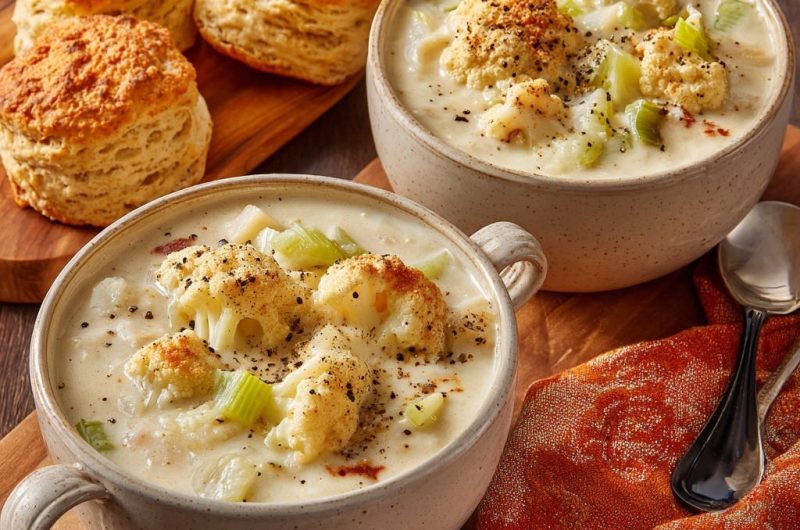
Creamy Roasted Cauliflower Chowder
Course: Soups-StewsCuisine: American CuisineDifficulty: easy4
servings20
minutes1
hour60
minutesAmerican Cuisine
Ingredients
1 large head cauliflower, florets separated (some small, some larger for roasting)
2 tablespoons olive oil
1 tablespoon butter
1 medium yellow onion, diced
2 stalks celery, diced
2 medium potatoes, peeled and diced
3 cups chicken or vegetable broth
1 cup milk (whole milk recommended)
1/2 cup heavy cream
2 tablespoons all-purpose flour
Salt and freshly ground black pepper, to taste
Pinch of paprika, for garnish
Directions
- Roast the Cauliflower (THE FLAVOR SECRET!): Preheat your oven to 400 degrees F. Toss about half of the cauliflower florets (the larger, nicer ones) with 1 tablespoon of olive oil, a pinch of salt, and a dash of pepper on a baking sheet. Roast for 20-25 minutes, or until tender and lightly browned and caramelized. This crucial step deepens their flavor profile dramatically and ensures they maintain a pleasing texture, preventing any mushiness when added to the soup. Set the roasted florets aside.
- Sauté Aromatics: In a large pot or Dutch oven, melt the butter with the remaining 1 tablespoon of olive oil over medium heat. Add the diced onion and cook until softened and translucent, about 5 minutes. Stir in the diced celery and cook for another 3-4 minutes until slightly tender.
- Build the Base: Add the diced potatoes to the pot. Pour in the chicken or vegetable broth. Bring the mixture to a gentle simmer, then reduce the heat to low, cover, and cook for 10-12 minutes, or until the potatoes are beginning to soften. Then, add the remaining, smaller fresh cauliflower florets. Continue to cook for another 5-8 minutes, or until both the potatoes and cauliflower are fork-tender.
- Thicken the Chowder: In a separate small bowl, whisk together the flour with 1/2 cup of the milk until smooth and no lumps remain. Gradually pour this mixture into the simmering chowder, stirring constantly to incorporate. Continue to cook for 2-3 minutes, allowing the soup to thicken slightly.
- Creamy Finish: Stir in the remaining 1/2 cup milk and the heavy cream. Season the chowder generously with salt and freshly ground black pepper to taste. Heat the chowder through until warmed, but be careful not to bring it to a rolling boil after adding the cream to prevent curdling.
- Combine and Serve: Ladle the hot, creamy chowder into serving bowls. Top each serving with a generous spoonful of the reserved roasted cauliflower florets. Finish with a sprinkle of paprika and extra black pepper for garnish. Serve immediately, perhaps with your favorite flaky biscuits!
Notes
- The roasting step for half the cauliflower is crucial for flavor development and texture.