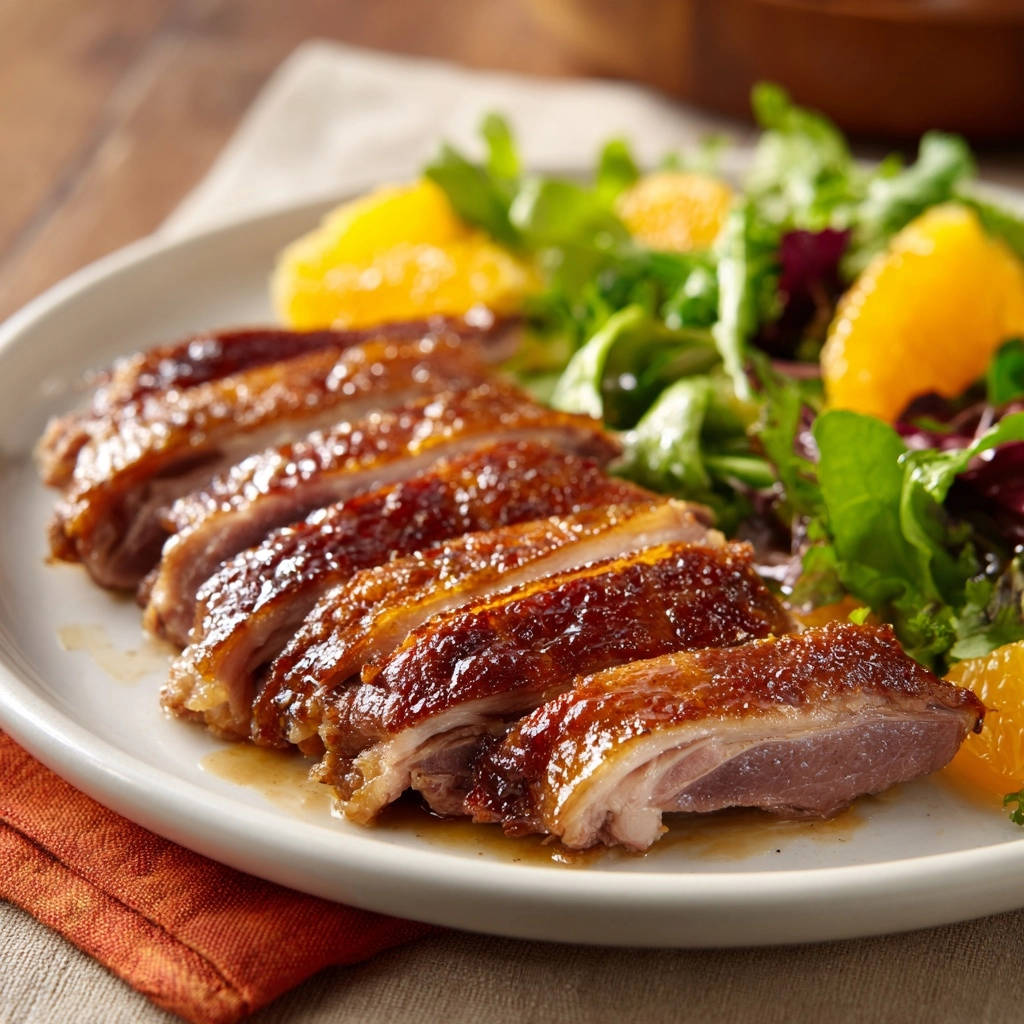
Glazed Duck Breast with Orange Salad: Flawlessly Crispy Skin
For years, achieving truly crispy, golden duck skin at home felt like a chef’s secret, a culinary puzzle I was determined to solve. Every attempt at Glazed Duck Breast with Orange Salad either yielded rubbery skin or dry meat, missing that restaurant-quality perfection.
Through countless experiments, I’ve refined a simple, foolproof method that guarantees a perfectly rendered, crackling skin and juicy, tender meat every single time. This recipe for Glazed Duck Breast with Orange Salad isn’t just a meal; it’s an effortless triumph that promises to impress.
Why This Glazed Duck Breast with Orange Salad Shines (and You’ll Love It!)
Beyond Basic: What Makes Our Recipe Stand Out?
This recipe provides a truly foolproof method for achieving perfectly crispy duck skin, eliminating the guesswork that often deters home cooks.
Get Our Best Recipes Weekly!
Join thousands of food lovers and get delicious recipes delivered to your inbox.
You’ll consistently enjoy incredibly tender and succulent duck meat, cooked to your preferred doneness, never dry or overdone.
The combination offers an exquisite balance of rich duck, a savory-sweet glaze, and a bright, zesty orange salad, creating a harmonious flavor profile.
Crispy Skin Without the Stress: Our Signature Technique
The secret lies in our “low-and-slow” fat rendering process, which gradually melts away the excess fat for unparalleled crispiness.
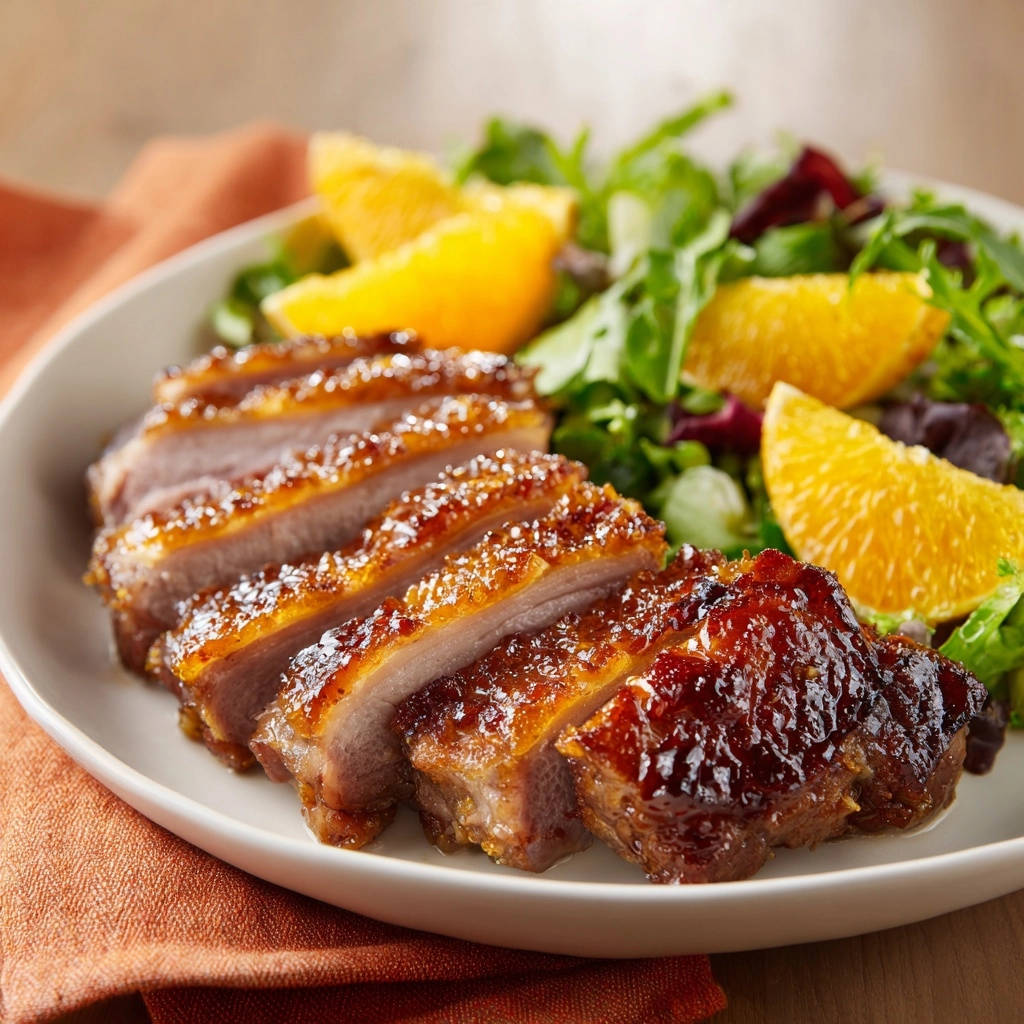
This patient approach ensures the duck skin becomes a crackling delight while the meat remains incredibly tender, free from stress or culinary anxiety.
A Symphony of Flavors: Rich Duck Meets Zesty Orange
The luscious, savory notes of the seared duck breast are perfectly complemented by a vibrant, citrusy pan glaze.
A refreshing orange salad cuts beautifully through the richness of the duck and glaze, providing a delightful textural and flavor contrast.
This creates a wonderfully balanced meal, where every bite is a burst of complex, yet harmonized, tastes.
Essential Ingredients for Your Glazed Duck Breast & Bright Orange Salad
The Star: Selecting Your Duck Breast
Choose a high-quality (10-12 oz) duck breast with the skin intact. The skin is crucial for developing that coveted crispy texture.
The size ensures a good fat layer for rendering and provides a satisfying portion.
Freshness First: Building the Vibrant Orange Salad
A large, juicy orange is essential for both the pan glaze and the salad, offering a bright, acidic counterpoint to the duck’s richness.
Fresh, mixed salad greens provide a crisp, light texture and a canvas for the zesty orange segments and vinaigrette.
Crafting the Perfect Glaze and Vinaigrette
Honey or maple syrup lends a touch of sweetness to the glaze, balancing the savory soy sauce and bright orange juice.
Soy sauce provides a crucial umami depth to the glaze, enhancing its richness and ensuring a robust flavor.
Olive oil forms the base of the vinaigrette, while apple cider vinegar or white wine vinegar adds a necessary tanginess to awaken the salad greens.
Salt and black pepper are fundamental seasonings, enhancing all the flavors in both the duck and the salad.
Equipping Your Kitchen: Tools for Duck Breast Success
Must-Have Gear for Crispy Duck
A sharp knife is indispensable for scoring the duck skin, allowing for precise cuts without penetrating the meat.
A heavy-bottomed or cast-iron skillet (oven-safe) is crucial for even heat distribution during rendering and searing, and for transferring to the oven.
A sturdy cutting board is needed for prep work, resting the duck, and slicing, preventing juice loss on your countertop.
Abundant paper towels are essential for thoroughly drying the duck breast, a non-negotiable step for achieving that ultimate crispy skin.
A simple whisk helps emulsify the vinaigrette and ensures your pan glaze comes together smoothly with no lumps.
An instant-read meat thermometer is highly recommended for precision cooking, guaranteeing your duck breast reaches the perfect medium-rare without overcooking.
Your Blueprint to Perfect Glazed Duck Breast with Orange Salad
- Prep for Peak Crispiness:
Thoroughly pat the duck breast dry with paper towels to remove excess moisture, which is crucial for achieving crispy skin. Carefully score the duck skin in a crosshatch pattern, ensuring you don’t cut into the meat. This allows the fat to render easily. Season generously all over with salt and pepper for flavor.
- The “Secret Weapon” Render:
Place the duck breast, skin-side down, in a cold, oven-safe skillet (cast iron or heavy-bottomed is ideal). Turn the heat to medium-low. This low-and-slow approach is key to rendering the fat gently for 12-15 minutes, resulting in deeply golden, incredibly crispy skin. Periodically spoon off the accumulating excess rendered fat from the pan.
- Sear & Finish Roasting:
Once the skin is beautifully crisp and golden, flip the duck breast meat-side down and sear for 1-2 minutes until nicely browned. If your duck breast is thick, transfer the skillet to a preheated oven at 375F (190C) and roast for an additional 5-8 minutes. Cook until the internal temperature reaches 130-135F (54-57C) for a perfect medium-rare.
- The Golden Rule: Rest & Slice:
Remove the duck from the pan and immediately transfer it to a cutting board. Tent loosely with foil and let it rest for a minimum of 5-10 minutes. This essential step allows the juices to redistribute throughout the meat, ensuring it remains tender and moist. After resting, slice the duck breast against the grain into 1/2-inch thick pieces.
- Whip Up the Zesty Glaze:
While the duck rests, carefully pour out most of the rendered duck fat from the skillet, leaving approximately 1 tablespoon. Add the juice of half an orange (about 1/4 cup), honey or maple syrup, and soy sauce to the pan. Bring the mixture to a simmer over medium heat, stirring constantly, until the glaze slightly thickens (this usually takes about 2-3 minutes).
- Assemble the Refreshing Orange Salad:
Segment the remaining half of the orange. In a large bowl, combine the fresh mixed greens and the prepared orange segments. In a small separate bowl, whisk together 2 tablespoons of olive oil, apple cider vinegar or white wine vinegar, a pinch of salt, and pepper to create a simple yet flavorful vinaigrette. Drizzle the vinaigrette over the salad and toss gently to coat.
- Plate & Serve Your Masterpiece:
Arrange the beautifully sliced duck breast on individual plates alongside the vibrant orange salad. Generously drizzle the warm pan glaze over the duck. Serve immediately and savor your perfectly crispy-skinned, tender duck breast!
Chef’s Wisdom: Elevating Your Glazed Duck Breast & Orange Salad
Mastering the Score: Skin Deep Secrets
Score the duck skin in a clean crosshatch pattern, making sure your knife just cuts through the skin and fat layer, but crucially, not into the meat.
This technique allows the duck fat to render out efficiently during cooking, creating that incredible crispy duck skin and preventing the skin from shrinking too much.
The Art of the Slow Render: Patience is Key
Resist the urge to crank up the heat during the initial rendering phase. Low-and-slow heat is paramount for slowly melting away the fat, producing a truly crispy result.
Unlike searing other meats at high temperatures, this gentle rendering of the duck fat is your secret to perfectly crisp skin and moist meat.
Don’t Skip the Rest: Juicier Every Time
Resting the cooked duck breast for at least 5-10 minutes is a non-negotiable step for truly juicy results.
During resting, the muscle fibers relax, allowing the internal juices to redistribute evenly throughout the meat instead of pooling out when sliced.
Temperature is Your Friend: Precision Cooking
Using an instant-read meat thermometer is the most reliable way to achieve your desired doneness, especially for medium-rare duck.
Target an internal temperature of 130-135F (54-57C) for medium-rare; the temperature will continue to rise slightly as it rests.
Balancing the Glaze: Sweet, Savory, Zesty
For the pan glaze, ensure it simmers just long enough to slightly thicken and coat a spoon, without becoming overly sticky or reducing too much.
Taste and adjust the glaze: a touch more honey for sweetness, soy sauce for umami, or orange juice for extra zest can fine-tune its balance.
Building a Better Salad: Texture and Flavor Harmony
Always ensure your mixed greens are thoroughly dry before dressing to prevent a soggy salad and allow the vinaigrette to adhere properly.
Dress the orange salad just before serving to maintain its crisp texture and vibrant freshness, preventing it from wilting prematurely.
Troubleshooting Your Glazed Duck Breast: Common Challenges & Solutions
“Why isn’t my duck skin crispy?”
This typically happens if the heat was too high, causing the skin to burn before the fat fully rendered, or if the rendering time was too short.
Ensure you start the duck breast in a cold pan over medium-low heat and allow sufficient time (12-15 minutes) for that crucial low-and-slow rendering.
“My duck meat is dry.”
Dry duck meat is a clear sign of overcooking. Duck breast cooks relatively quickly.
Always use a meat thermometer and remove the duck from heat promptly once it reaches your desired internal temperature, typically 130-135F (54-57C) for medium-rare, before resting.
“The glaze is too runny/too thick.”
If your pan glaze is too runny, simply continue to simmer it gently over medium heat for another minute or two, stirring constantly, until it reaches the desired consistency.
Should the glaze become too thick, add a small splash of orange juice or a few drops of water, stirring until it thins to your preference.
“My orange salad is soggy.”
A soggy salad often results from greens that weren’t thoroughly dried before dressing, or from dressing the salad too far in advance.
Always wash and spin your greens until completely dry, and wait to drizzle the vinaigrette over the salad just before you are ready to serve.
Planning Ahead: Make-Ahead & Storage Tips
Can I Prepare Parts of This Dish in Advance?
You can score the duck breast and season it up to an hour in advance, storing it uncovered in the refrigerator to help dry the skin even further for maximum crispiness.
The orange vinaigrette for the salad can be whisked together and stored in an airtight container in the refrigerator for up to 3 days. You can also segment the orange ahead of time and store the segments separately.
Storing Leftover Glazed Duck Breast and Orange Salad
Store any leftover cooked duck breast in an airtight container in the refrigerator for up to 3-4 days. It can be gently reheated in a low oven or enjoyed cold.
For the orange salad, it’s best to store undressed components separately. Once dressed, the salad should be consumed immediately as greens can wilt quickly.
Beyond the Plate: Perfect Pairings & Serving Suggestions
What to Serve Alongside Your Duck Breast?
Complement the rich Glazed Duck Breast with Orange Salad with roasted root vegetables like carrots, parsnips, or sweet potatoes for earthy sweetness.
Wild rice or a delicate quinoa pilaf makes an excellent side, soaking up the flavorful duck juices and glaze.
Blanched asparagus or sautéed green beans offer a simple, vibrant green contrast that perfectly balances the meal.
Wine and Drink Pairings for Glazed Duck Breast
For wine lovers, a light-bodied Pinot Noir or a fruity Grenache beautifully complements the richness of duck, echoing its savory notes without overpowering.
Crisp white wines like a dry Riesling or a Sauvignon Blanc also pair wonderfully, their acidity cutting through the duck’s fat and enhancing the orange glaze.
For non-alcoholic options, a sparkling cider or a homemade ginger-orange spritzer offers a refreshing, zesty counterpoint to the dish.
Glazed Duck Breast with Orange Salad FAQs
Can I use duck legs instead of breast?
While duck legs are incredibly delicious, they require a very different and much longer cooking method, typically braising or confit, to become tender.
This Glazed Duck Breast with Orange Salad recipe is specifically designed for the quick searing and roasting of a duck breast, so substitutions are not recommended for this particular method.
Is it possible to cook this recipe entirely on the stovetop?
Yes, for thinner duck breasts, you can absolutely finish cooking entirely on the stovetop after rendering the skin. Simply sear the meat side until the desired internal temperature is reached.
However, for thicker duck breasts, a short finish in the oven ensures more even cooking throughout the meat without over-searing or potentially burning the exterior.
What’s the best way to segment an orange for the salad?
To “supreme” an orange, first slice off both ends. Then, place the orange flat on a cutting board and carefully slice downwards, following the curve of the fruit, to remove the peel and white pith.
Once peeled, hold the orange over a bowl and slice between the membranes to release individual, juicy segments, allowing any excess juice to collect for your glaze.
Can I substitute other fruits for the orange in the salad?
Yes, you can substitute other fruits, but be mindful of their flavor profiles and how they will interact with the duck and glaze.
Grapefruit offers a similar tartness and works well, while berries (like raspberries or blueberries) could introduce a different kind of sweetness and visual appeal. Choose a fruit that still provides a bright, acidic contrast.
What if I don’t have a cast-iron skillet?
Any heavy-bottomed, oven-safe pan will work perfectly well for this recipe. Good quality stainless steel or even a durable non-stick pan can be used.
The key requirement is that the pan distributes heat evenly for the fat rendering and can safely transfer to the oven for finishing the cook.
Ready to Create Your Glazed Duck Breast Masterpiece?
You now possess all the expert knowledge to confidently prepare a truly exceptional Glazed Duck Breast with Orange Salad. Say goodbye to culinary struggles and hello to a dish that’s as impressive as it is delicious.
Gather your ingredients, embrace the low-and-slow method, and prepare to delight your senses. Share your success in the comments below; I can’t wait to hear how this recipe transforms your cooking!
Sweet Endings
To complement your glazed duck and orange salad, consider these delightful orange-themed desserts.
- For a delightful citrus finish, try the Orange Swirl Bundt Cake, offering a bright and satisfying conclusion.
- If you’re in the mood for layered textures and sweet citrus, the Orange Caramel Layer Cake presents a wonderful contrast.
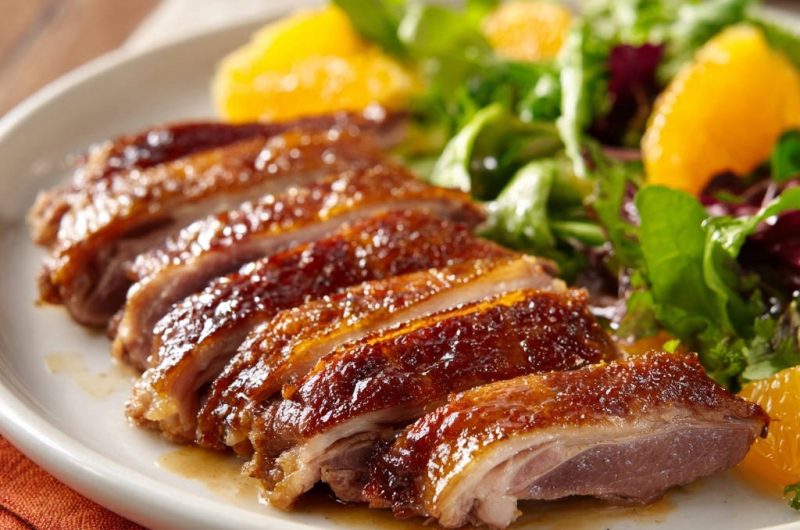
Glazed Duck Breast with Orange Salad
Course: Main CourseCuisine: InternationalDifficulty: medium2
servings15
minutes25
minutes650
kcal50
minutesMaster the art of perfectly crisp, golden duck skin and tender meat with this surprisingly simple Glazed Duck Breast recipe. Served with a vibrant orange salad, it’s a restaurant-quality dish designed to impress. Say goodbye to culinary mysteries and hello to pure duck bliss!
Ingredients
1 (10-12 oz) duck breast, skin on
1 large orange
4 cups mixed salad greens
2 tablespoons olive oil (for dressing)
1 tablespoon honey or maple syrup
1 tablespoon soy sauce
1 tablespoon apple cider vinegar or white wine vinegar
Salt, to taste
Black pepper, to taste
Directions
- Prepare the Duck for Ultimate Crispiness: Pat the duck breast very dry with paper towels. With a sharp knife, score the duck skin in a crosshatch pattern, being careful not to cut into the meat. Season generously all over with salt and pepper.
- The Low-and-Slow Skin Render (Your Secret Weapon!): Place the duck breast, skin-side down, in a cold, oven-safe skillet (cast iron or heavy-bottomed is best). Turn the heat to medium-low. This is the crucial step! Slowly render the fat for 12-15 minutes, allowing it to gently melt away and the skin to become deeply golden brown and incredibly crispy. Periodically spoon off excess rendered fat from the pan.
- Finish Cooking: Once the skin is beautifully crisp and golden, flip the duck breast meat-side down and sear for 1-2 minutes until browned. If your duck breast is thick, transfer the skillet to a preheated oven at 375F (190C) and roast for 5-8 minutes, or until the internal temperature reaches 130-135F (54-57C) for medium-rare.
- Rest and Slice: Remove the duck from the pan and place it on a cutting board. Tent loosely with foil and let it rest for at least 5-10 minutes. This ensures the juices redistribute, keeping the meat tender and moist. After resting, slice the duck breast against the grain into 1/2-inch thick pieces.
- Whip Up the Glaze: While the duck rests, carefully pour out most of the rendered duck fat from the skillet, leaving about 1 tablespoon. Add the juice of half an orange (about 1/4 cup), honey or maple syrup, and soy sauce to the pan. Bring to a simmer over medium heat, stirring constantly, until the glaze slightly thickens (about 2-3 minutes).
- Assemble the Salad: Segment the remaining half of the orange. In a large bowl, combine the mixed greens and orange segments. In a small bowl, whisk together 2 tablespoons of olive oil, apple cider vinegar, a pinch of salt, and pepper to create a simple vinaigrette. Drizzle over the salad and toss gently.
- Serve: Arrange the sliced duck breast on plates with the orange salad. Drizzle the warm pan glaze over the duck. Enjoy your perfectly crispy-skinned, tender duck!
Notes
- Ensure duck breast is very dry and start in a cold skillet for the crispiest skin.