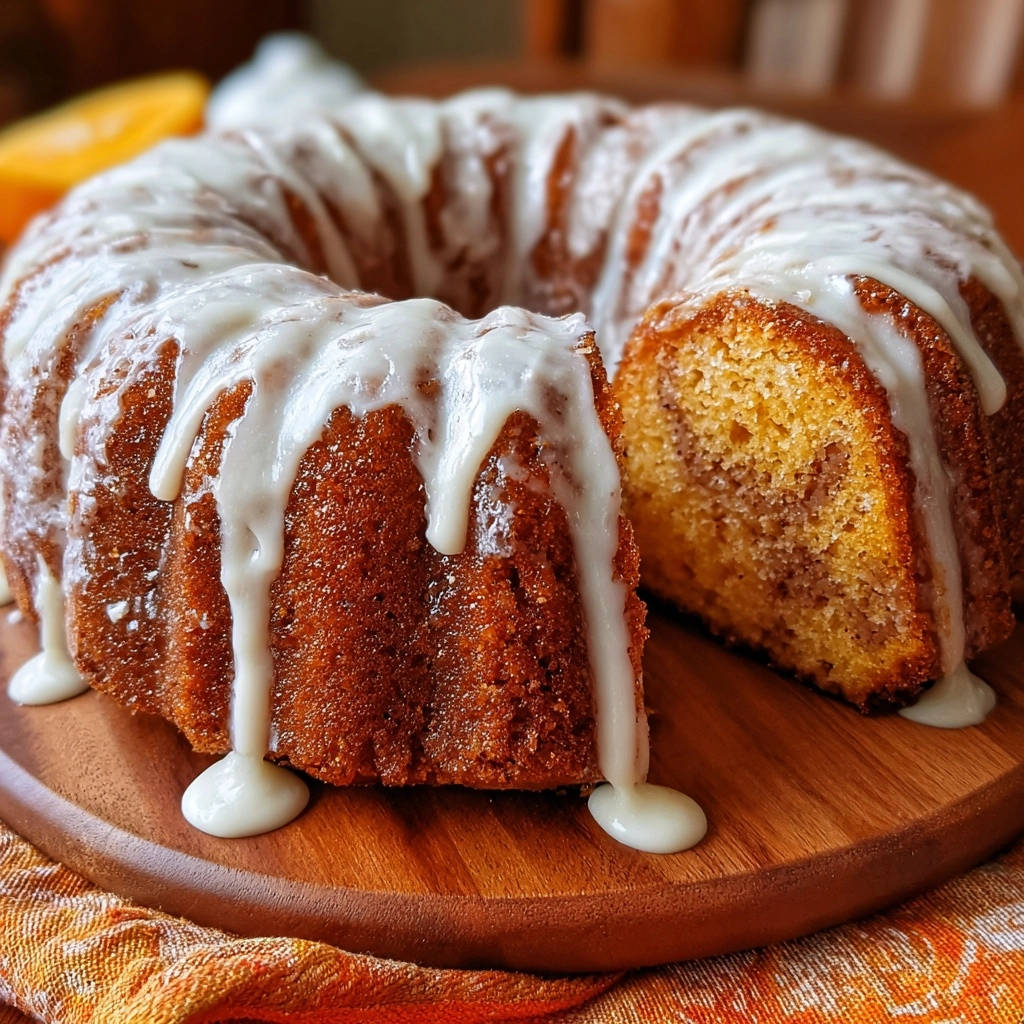
Orange Swirl Bundt Cake: No-Stick Perfection Guaranteed
As an avid baker, few things are as disheartening as a beautiful Bundt cake sticking to the pan, ruining all your hard work. I’ve personally experienced the frustration of a collapsed Orange Swirl Bundt Cake. This recipe is my tried-and-true solution, guaranteeing a flawless release every single time while delivering an incredibly moist crumb and vibrant citrus-spice flavor.
Beyond Basic: Why This Orange Swirl Bundt Cake Excels
The Foolproof Secret to a Flawless Release (Say Goodbye to Sticking!)
The fear of a Bundt cake sticking to its intricate pan is a common baking anxiety. Many have faced the disappointment of a perfectly baked cake crumbling upon unmolding.
For more ideas on achieving perfect layers, check out this orange caramel layer cake.
Get Our Best Recipes Weekly!
Join thousands of food lovers and get delicious recipes delivered to your inbox.
This Orange Swirl Bundt Cake recipe integrates a meticulously detailed pan preparation method that guarantees a clean, effortless release. You’ll achieve that show-stopping Bundt shape every single time, ensuring your hard work is beautifully showcased.
For a similar citrus twist, explore this spiced orange bundt cake.
A Burst of Citrus & Warm Spice in Every Bite
This cake is a symphony of flavors, where the bright, zesty notes of fresh orange meet the comforting warmth of cinnamon.
The delicate cinnamon sugar swirl permeates the moist cake, creating pockets of aromatic spice that beautifully complement the citrus. Each slice offers a balanced and inviting taste experience, perfect for any occasion.
Mastering the Moist Crumb: A Texture You’ll Adore
Achieving a truly moist cake is an art, and this recipe delivers a superior texture that is both tender and rich. Key ingredients like buttermilk and precise mixing techniques ensure a delicate, non-dry crumb.
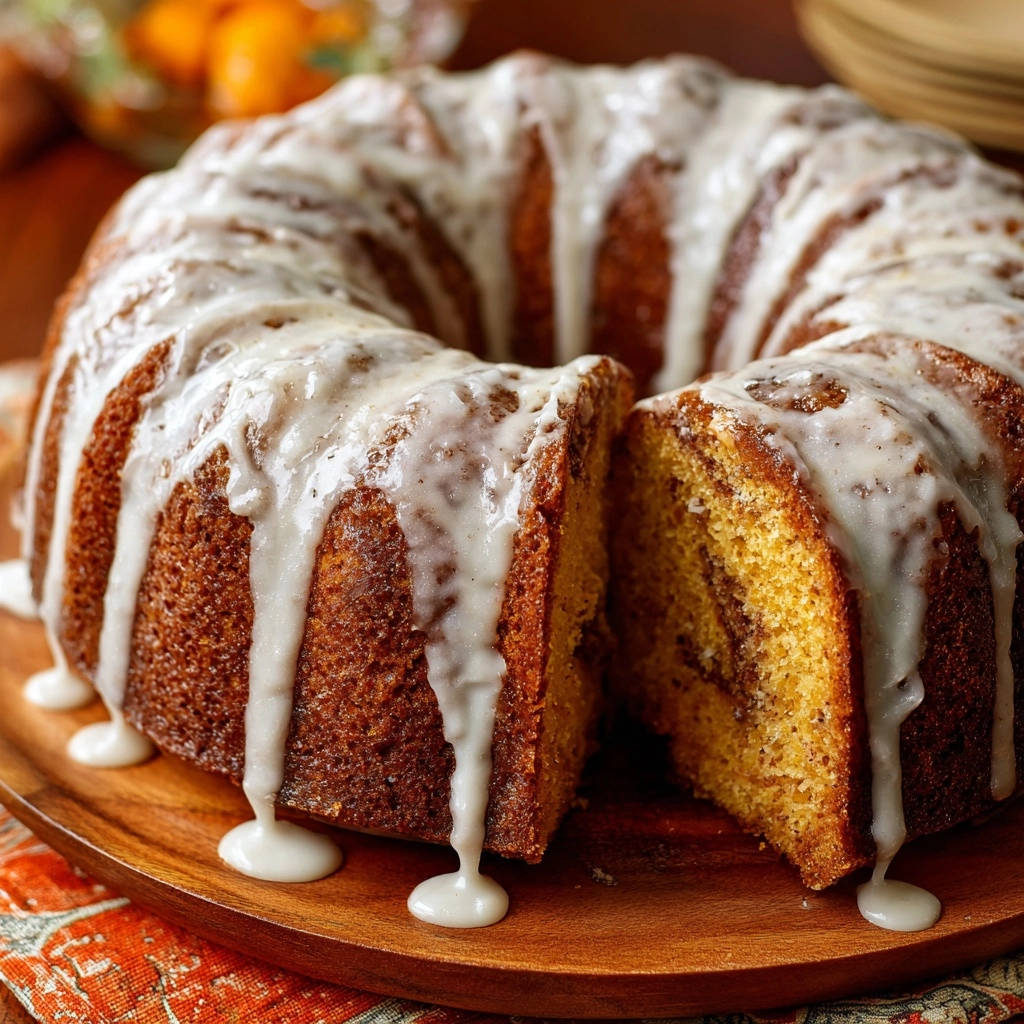
The result is a cake that stays fresh longer, offering a satisfying mouthfeel that melts in your mouth. You’ll love its luxurious texture.
Your Baking Toolkit: Essential Gear for Bundt Cake Success
Non-Negotiable Tools for a Perfect Bundt Cake Release
-
10 to 12-cup Bundt Pan: A high-quality Bundt pan is paramount for achieving the signature shape. Ensure it’s non-stick or well-seasoned to aid in the flawless release.
-
Pastry Brush: Essential for thoroughly greasing every nook and cranny of your intricate Bundt pan. This tool ensures complete, even coverage with butter, setting the stage for success.
-
Wire Cooling Rack: Crucial for allowing your Bundt cake to cool completely and evenly. Proper airflow prevents condensation, keeping the bottom from becoming soggy and the cake from sticking post-unmolding.
Mixing & Measuring: Standard Kitchen Essentials
-
Large and Medium Mixing Bowls: Necessary for separating wet and dry ingredients, as well as for preparing the cinnamon swirl and glaze.
-
Electric Mixer (Stand or Handheld): Indispensable for creaming butter and sugar, incorporating eggs, and gently combining batter ingredients. It ensures proper aeration and a smooth, uniform mixture.
-
Measuring Cups and Spoons: Accurate measurements are fundamental for consistent baking results. Always level off your dry ingredients for precision.
The Heart of the Cake: Decoding Your Orange Swirl Bundt Ingredients
Building Blocks for the Moist Cake Batter
-
All-Purpose Flour: Provides the structural foundation of the cake. Proper measurement and gentle mixing prevent a dense or tough crumb.
-
Baking Powder & Salt: Baking powder acts as a leavening agent, giving the cake its lift and tender texture. Salt balances the sweetness and enhances all the flavors.
-
Unsalted Butter (Softened): Contributes richness and tenderness to the cake. Softened butter creams beautifully with sugar, incorporating essential air.
-
Granulated Sugar: Sweetens the cake and helps create a moist, tender crumb by attracting and retaining moisture.
-
Large Eggs (Room Temperature): Bind the ingredients together and add richness. Room temperature eggs emulsify better with the butter and sugar, leading to a smoother batter.
-
Buttermilk (Room Temperature): The secret to an exceptionally moist and tender cake. Its acidity reacts with baking powder, contributing to a soft crumb and tangy depth.
-
Orange Zest: Infuses the cake with a vibrant, aromatic citrus flavor. Use only the brightly colored outer layer for the purest taste.
-
Vanilla Extract: A classic flavor enhancer that complements both the orange and cinnamon, adding a warm, aromatic note to the Orange Swirl Bundt Cake.
Crafting the Iconic Cinnamon Sugar Swirl
-
Granulated Sugar: Combines with cinnamon to create the sweet, textured layer that forms the beautiful swirl. It also caramelizes slightly during baking.
-
Ground Cinnamon: Delivers the warm, aromatic spice that perfectly balances the bright orange. It’s the key flavor component of the distinctive swirl.
The Dazzling Orange Glaze: Simple & Bright
-
Powdered Sugar: Forms the body of the glaze, dissolving smoothly for a creamy, pourable consistency. It provides a sweet, elegant finish.
-
Fresh Orange Juice: Provides the liquid base for the glaze, infusing it with a final burst of tangy citrus flavor and a beautiful aroma. Fresh juice makes all the difference.
Step-by-Step Mastery: Baking Your Orange Swirl Bundt Cake
Phase 1: The Essential Pan Preparation (Do Not Skip!)
- Grease and Flour Your Bundt Pan:
Generously grease your 10 to 12-cup Bundt pan with softened unsalted butter, ensuring full coverage in every crevice and fold of the pan’s design. Use a pastry brush or your fingers for thoroughness.
Then, sprinkle about 2 tablespoons of all-purpose flour into the greased pan. Rotate the pan, gently tapping it, so the flour coats the entire greased surface evenly. Once fully coated, invert the pan and tap out any excess flour. This robust butter and flour layer creates an infallible barrier for a clean release.
Phase 2: Preparing the Batter & Oven
- Preheat Oven & Whisk Dry Ingredients:
Set your oven to 350°F (175°C).
In a medium bowl, whisk together the flour, baking powder, and salt. Set this aside to ensure even distribution of leavening agents.
- Cream Butter and Sugar:
In a large bowl, use an electric mixer to cream the softened unsalted butter and 1¾ cups granulated sugar until the mixture is light, fluffy, and pale yellow, typically taking about 3 to 5 minutes. Proper creaming incorporates air, which contributes to the cake’s light texture.
- Incorporate Eggs and Wet Flavors:
Add the 4 large, room-temperature eggs one at a time, beating well after each addition until fully incorporated into the batter. This ensures a stable emulsion.
Stir in the 1 cup of room-temperature buttermilk, 1 tablespoon of vibrant orange zest, and 1 teaspoon of vanilla extract until just combined. Be careful not to overmix at this stage.
- Combine Wet and Dry:
Gradually add the whisked dry ingredients to the wet mixture, mixing on low speed with your electric mixer only until just combined. Stop as soon as no dry streaks of flour remain, as overmixing will develop gluten and result in a tough cake.
Phase 3: Creating the Swirl & Baking
- Prepare the Cinnamon Sugar Swirl:
In a small separate bowl, combine ¼ cup granulated sugar and 1 tablespoon of ground cinnamon, stirring to mix evenly. This creates the enticing flavor and visual swirl.
- Layer and Swirl the Batter:
Pour approximately two-thirds of the cake batter into your meticulously prepared Bundt pan.
Evenly sprinkle the cinnamon sugar mixture over this initial layer of batter. Top with the remaining cake batter.
Use a knife or skewer to gently swirl the cinnamon sugar layer into the batter a few times, being careful not to overmix and lose the distinct swirl pattern. The goal is a ribbon-like effect, not a uniform blend.
- Bake to Golden Perfection:
Bake the cake for 50 to 60 minutes, or until a wooden skewer inserted into the thickest part of the cake comes out clean, with no wet batter clinging to it. The internal temperature should register between 200-205°F (93-96°C) for perfect doneness.
Phase 4: Cooling and Glazing Your Masterpiece
- Essential Cooling in the Pan:
Remove the cake from the oven and let it cool in the Bundt pan for exactly 10 minutes. This crucial cooling time allows the cake to firm up slightly and pull away from the pan sides, making it much easier to unmold without breakage.
- Flawless Unmolding & Final Cool Down:
After 10 minutes, carefully invert the Bundt pan onto a wire rack. Thanks to our foolproof pan prep, your Orange Swirl Bundt Cake should slide out effortlessly!
Let the cake cool completely on the wire rack before glazing. Applying glaze to a warm cake will cause it to melt and absorb, rather than form a beautiful, set coating.
- Whisk and Drizzle the Vibrant Glaze:
While the cake cools, whisk together the 1½ cups of powdered sugar and 3 tablespoons of fresh orange juice in a small bowl until smooth and pourable. If too thick, add a tiny bit more orange juice; if too thin, add a little more powdered sugar, a teaspoon at a time.
Once the cake is completely cool, drizzle the glaze evenly over the top, letting it artfully drip down the sides. Allow the glaze to set for a few minutes before slicing and serving your Orange Swirl Bundt Cake.
Elevate Your Baking: Expert Tips for Orange Swirl Bundt Cake Success
The Science of Softened Butter and Room Temperature Eggs
Ensuring your butter is genuinely softened (but not melted) and your eggs are at room temperature is crucial. These temperatures allow ingredients to emulsify properly, creating a smooth batter that holds more air, resulting in a lighter and fluffier cake texture.
Don’t Fear the Zester: Maximizing Orange Flavor
When zesting the orange, aim to remove only the bright orange outer layer, avoiding the bitter white pith underneath. This ensures a pure, bright citrus flavor without any harsh notes.
Achieving the Perfect Swirl (Not a Messy Mix!)
The key to a distinct cinnamon swirl is gentle handling. After adding the cinnamon sugar and final layer of batter, use your knife or skewer to make only 3-4 broad, S-shaped motions. Overmixing will cause the swirl to disappear into a uniform brown color.
Storage Secrets for Lasting Freshness
To keep your Orange Swirl Bundt Cake moist and fresh, store it at room temperature in an airtight container for up to 3-4 days. For longer storage, you can freeze individual slices, well-wrapped, for up to 2 months.
Troubleshooting Your Orange Swirl Bundt Cake: Common Hurdles Solved
“My Cake is Dry or Crumbly!”
This is often a sign of overbaking. Ensure you’re using an oven thermometer for accurate temperature and rely on the skewer test. Overmixing the batter can also develop too much gluten, leading to a tough, dry cake.
“My Swirl Isn’t Visible or Blended In!”
This typically happens if the cinnamon sugar layer was over-swirled into the batter. Remember to use minimal, gentle motions. Another cause could be too thin a batter, allowing the sugar to sink too much.
“My Glaze is Too Thick or Too Thin!”
Easily fixable! If your glaze is too thick to drizzle, add orange juice a quarter teaspoon at a time until the desired consistency is reached. If it’s too thin, whisk in additional powdered sugar a tablespoon at a time.
Frequently Asked Questions About This Orange Swirl Bundt Cake
Can I use a different size Bundt pan?
This recipe is designed for a 10 to 12-cup Bundt pan. If using a smaller pan, you may have excess batter. For a larger pan, the cake will be shallower and might bake faster. Always adjust baking time and use the skewer test for doneness.
What if I don’t have buttermilk?
You can easily make a buttermilk substitute! Combine 1 cup of regular milk (dairy or non-dairy) with 1 tablespoon of lemon juice or white vinegar. Let it sit for 5-10 minutes until it slightly curdles, then use as directed.
Can I make this cake ahead of time?
Absolutely! The Orange Swirl Bundt Cake can be baked a day in advance. Store it, uncovered, on a wire rack until completely cool, then cover tightly in plastic wrap or an airtight container. Glaze just before serving for the freshest appearance.
How do I know when the cake is truly done?
The most reliable method is the skewer test: insert a wooden skewer into the thickest part of the cake; it should come out clean. An instant-read thermometer inserted into the center should register between 200-205°F (93-96°C).
Serving Suggestions & Creative Twists
Beyond the Glaze: Perfect Pairings
While delicious on its own, elevate your Orange Swirl Bundt Cake with a dollop of fresh whipped cream, a side of macerated berries, or a scoop of vanilla bean ice cream for an extra special treat. A warm cup of coffee or tea makes it a delightful afternoon indulgence.
Complementary Bakes and Bites
Enjoying our Orange Swirl Bundt Cake? Here are a few more ideas featuring bright citrus and satisfying flavors.
- For a savory dish that echoes the citrus notes, consider this Glazed Duck Breast with Orange Salad, offering a delightful contrast.
- If you’re in the mood for something noodle-based with that distinct orange flair, this Orange Chicken Noodle Salad is a refreshing choice.
Seasonal Swaps and Flavor Variations
Feel free to experiment! Swap orange zest for lemon or lime for a different citrus profile. Introduce other spices like nutmeg or cardamom into the swirl for a unique aroma. You could even fold in a handful of chopped candied ginger or finely diced dried apricots into the batter for added texture and flavor.
Ready to Bake Your Perfect Orange Swirl Bundt Cake?
Now you have all the tools and expert knowledge to create a truly spectacular Orange Swirl Bundt Cake. With our foolproof no-stick method, you’ll achieve a flawless release every time, revealing a moist, vibrant, and perfectly swirled masterpiece.
Don’t let the fear of a sticky pan hold you back any longer. Embrace the joy of baking with confidence, and delight your friends and family with this unforgettable citrus-spice treat. Share your baking triumphs by tagging us on social media!
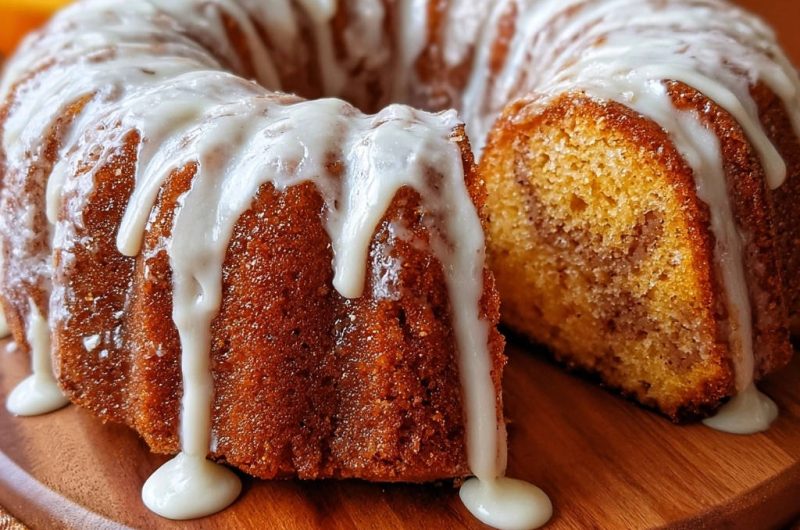
Orange Swirl Bundt Cake
Course: DessertCuisine: American CuisineDifficulty: easy10
servings25
minutes55
minutes60
minutesAmerican Cuisine
Ingredients
For the Cake:
2 and 3/4 cups all purpose flour
1 and 1/2 teaspoons baking powder
1/2 teaspoon salt
1 cup (2 sticks) unsalted butter, softened
1 and 3/4 cups granulated sugar
4 large eggs, at room temperature
1 cup buttermilk, at room temperature
1 tablespoon orange zest
1 teaspoon vanilla extract
For the Swirl:
1/4 cup granulated sugar
1 tablespoon ground cinnamon
For the Glaze:
1 and 1/2 cups powdered sugar
3 tablespoons fresh orange juice
Directions
- The No-Stick Secret Starts Here! The most crucial step for a perfect Bundt is thorough pan preparation. Generously grease your 10 to 12 cup Bundt pan with softened unsalted butter. Make sure to get into every single crevice and fold of the pan’s design. Use a pastry brush or your fingers to ensure full coverage. Then, sprinkle about 2 tablespoons of all purpose flour into the greased pan. Rotate the pan, gently tapping it, so the flour coats the entire greased surface evenly. Once fully coated, invert the pan and tap out any excess flour. This butter and flour layer creates an infallible barrier for a clean release.
- Preheat your oven to 350 degrees F (175 degrees C). In a medium bowl, whisk together the flour, baking powder, and salt. Set aside.
- In a large bowl, cream together the softened butter and 1 and 3/4 cups granulated sugar with an electric mixer until light and fluffy, about 3 to 5 minutes.
- Add the eggs one at a time, beating well after each addition until fully incorporated. Stir in the buttermilk, orange zest, and vanilla extract until just combined.
- Gradually add the dry ingredients to the wet ingredients, mixing on low speed until just combined. Be careful not to overmix the batter.
- For the swirl, in a small bowl, combine 1/4 cup granulated sugar and ground cinnamon.
- Pour about two-thirds of the cake batter into your prepared Bundt pan. Sprinkle the cinnamon sugar mixture evenly over the batter. Top with the remaining cake batter. Use a knife or skewer to gently swirl the cinnamon sugar layer into the batter a few times, being careful not to overmix and lose the distinct swirl.
- Bake for 50 to 60 minutes, or until a wooden skewer inserted into the thickest part of the cake comes out clean.
- Remove the cake from the oven and let it cool in the pan for exactly 10 minutes. This cooling time is essential for the cake to firm up slightly before unmolding.
- After 10 minutes, carefully invert the Bundt pan onto a wire rack. Thanks to our foolproof pan prep, your cake should slide out easily! Let the cake cool completely on the wire rack before glazing.
- To make the glaze, whisk together the powdered sugar and fresh orange juice in a small bowl until smooth and pourable. If too thick, add a tiny bit more orange juice; if too thin, add a little more powdered sugar.
- Once the cake is completely cool, drizzle the glaze evenly over the top, letting it drip down the sides. Allow the glaze to set for a few minutes before slicing and serving.
Notes
- The no-stick secret lies in thorough butter and flour pan preparation.