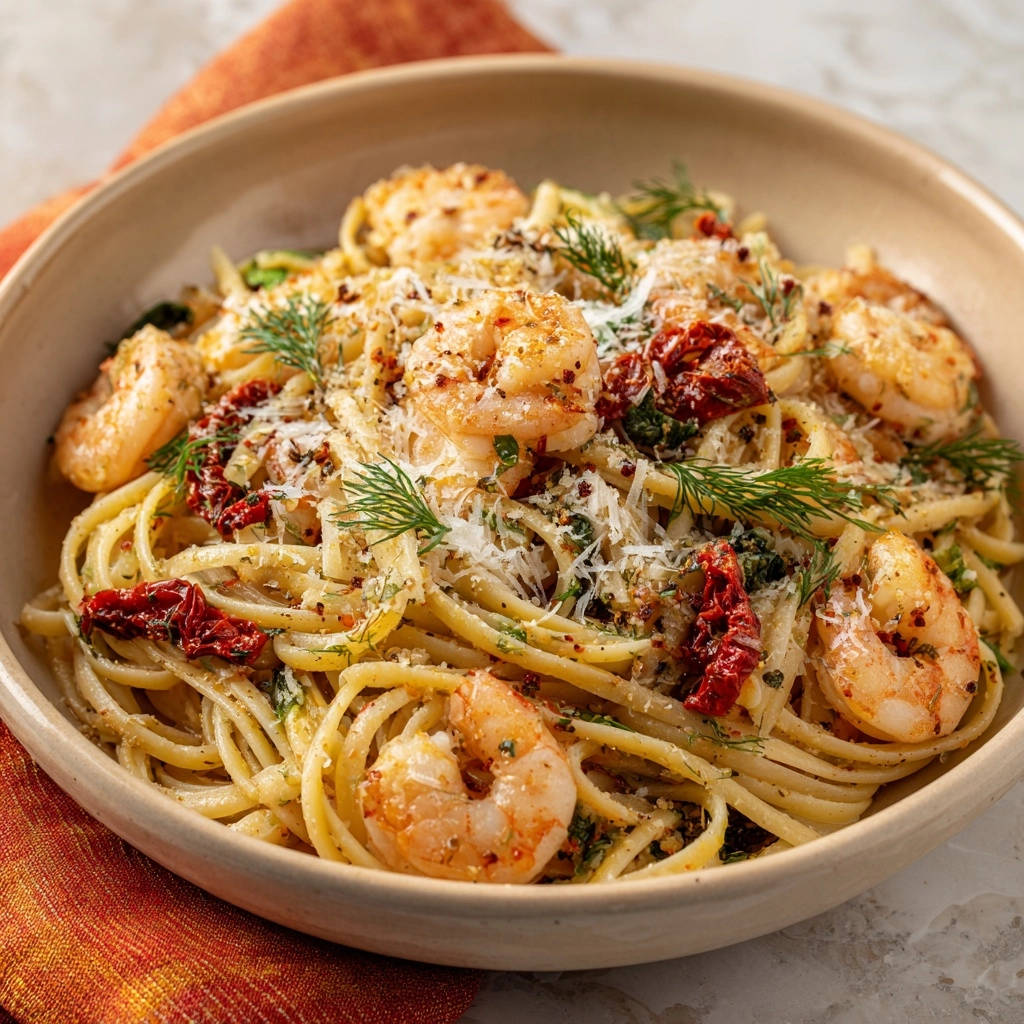
Lemony Garlic Shrimp Linguine: Juicy Shrimp, No More Rubber!
I’ve lost count of how many times I’ve been served, or even accidentally made, rubbery shrimp. It’s a common culinary heartbreak, especially with a dish as inherently delicious as Lemony Garlic Shrimp Linguine.
But fear not, because I’ve cracked the code to perfectly tender, succulent shrimp every single time. This recipe for Lemony Garlic Shrimp Linguine delivers on its promise of juicy shrimp, bright flavors, and a restaurant-quality meal you can trust.
The Lemony Garlic Shrimp Linguine That Guarantees Tender Shrimp
This isn’t just another shrimp pasta recipe; it’s a meticulously crafted guide designed for success. We focus on techniques that elevate simple ingredients into an extraordinary weeknight delight.
Get Our Best Recipes Weekly!
Join thousands of food lovers and get delicious recipes delivered to your inbox.
Unlocking Perfectly Tender Shrimp Every Time
The secret lies in our two-stage cooking method for the shrimp. We gently sear them first, then allow the residual heat from the pasta and sauce to finish the cooking.
This precise timing prevents overcooking, ensuring each bite of shrimp is moist and tender, never tough or dry.
Speed and Simplicity: A Weeknight Wonder
Despite its gourmet taste, this Lemony Garlic Shrimp Linguine comes together surprisingly fast. It’s perfect for busy evenings when you crave something special without spending hours in the kitchen.
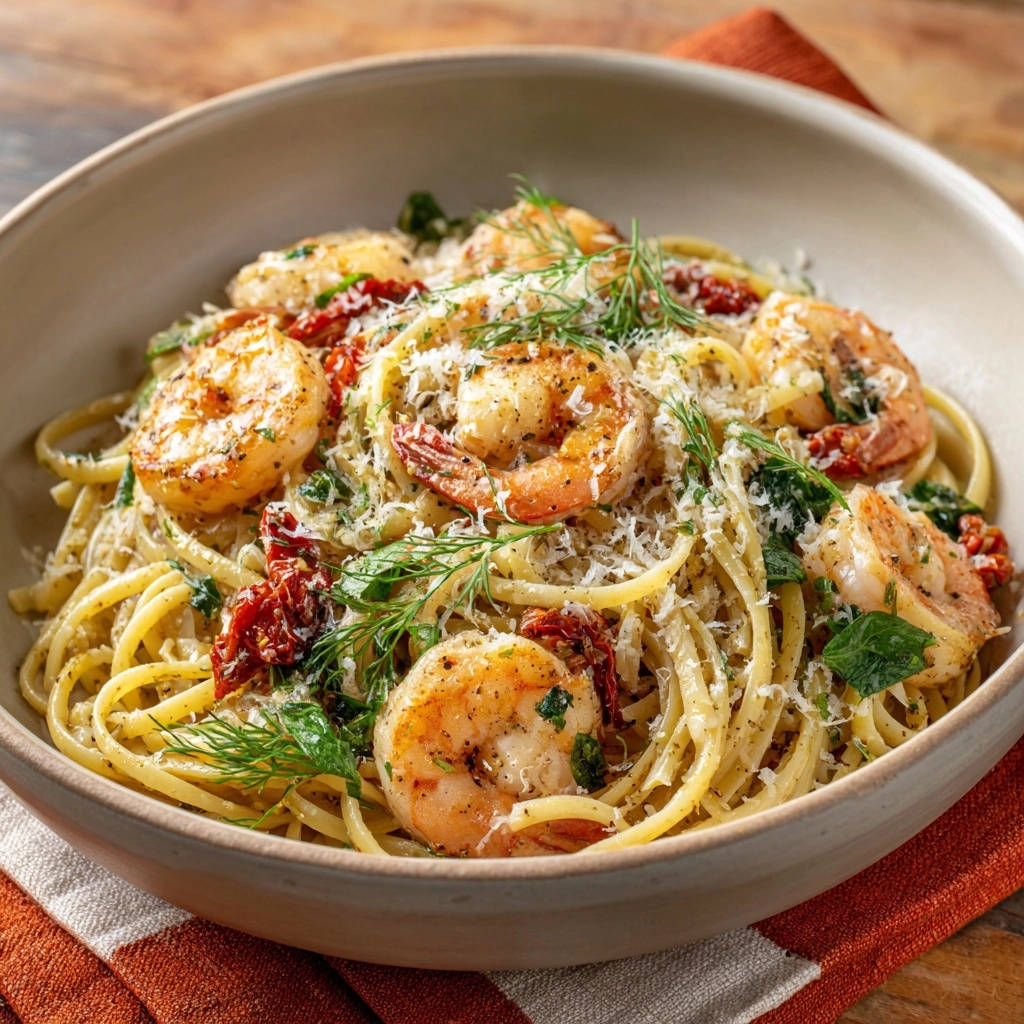
Most of the magic happens in a single pan, minimizing cleanup and maximizing enjoyment.
A Burst of Fresh, Zesty Flavor
Every forkful bursts with a harmonious blend of flavors. Bright lemon, pungent garlic, sweet sun-dried tomatoes, and fresh dill create an irresistible symphony.
More Shrimp Sensations
If you’re enjoying this shrimp linguine, you might like to explore other shrimp dishes.
- For a heartier bowl with a similar shrimp focus, try this Creole-Style Shrimp & Corn Stew, offering a different flavor profile.
- If you appreciate the depth of flavor in shrimp preparations, this Cajun Shrimp Stew features a rich roux for an enjoyable experience.
The richness of Parmesan cheese then brings it all together, making this a truly satisfying and memorable dish.
Tools for Your Tender Shrimp Linguine Success
Having the right kitchen tools can significantly streamline your cooking process. These essentials help ensure consistent results for your garlic shrimp pasta.
The Right Skillet Makes All the Difference
A large, heavy-bottomed skillet (10-12 inches) is indispensable for this dish. Its wide surface area allows the shrimp to sear properly without overcrowding.
This skillet also serves as the perfect vessel for building our flavorful sauce and tossing the linguine, making it truly a one-pan wonder.
Pasta Pot and Colander Essentials
You’ll need a generously sized pot for cooking the linguine. This ensures the pasta cooks evenly and doesn’t stick together.
A sturdy colander is then vital for draining the pasta efficiently, especially when you need to reserve that crucial pasta cooking water.
Gathering Your Flavor Arsenal: Key Ingredients
High-quality ingredients are the foundation of any exceptional dish. Selecting and preparing them correctly is key to this Lemony Garlic Shrimp Linguine.
The Star: Perfectly Prepped Shrimp
Choose large shrimp (21/25 count per pound) for the best texture and visual appeal. Ensure they are peeled and deveined for ease of eating.
Crucially, thoroughly patting the shrimp dry with paper towels removes surface moisture. This step is essential for achieving a beautiful sear and preventing steaming.
Pasta Perfection: Choosing Your Linguine
Linguine is our pasta of choice, offering a flat, ribbon-like shape that beautifully clings to the sauce. Good quality durum wheat pasta makes a difference.
Always cook your pasta in generously salted water; it’s your first and best chance to season the linguine from within.
The Aromatic Base: Garlic, Olive Oil, and Spices
Freshly minced garlic is non-negotiable for its pungent, aromatic foundation. Avoid pre-minced garlic for the best flavor.
A good quality extra virgin olive oil provides a rich, fruity base. Red pepper flakes add a subtle warmth, which is optional but highly recommended.
Dried oregano offers an earthy, herbaceous note that complements the other flavors beautifully.
Bright & Bold: Sun-Dried Tomatoes, Lemon, and Dill
Oil-packed sun-dried tomatoes bring a concentrated, sweet-tart burst of flavor and a lovely chew. Drain them well before chopping.
Fresh lemon juice provides essential acidity and a vibrant zest that brightens the entire dish. Use freshly squeezed for superior taste.
Fresh dill is a critical finishing herb, adding a unique, anise-like freshness. Dried dill is not a suitable substitute here.
Cheesy Finish: Parmesan Perfection
Freshly grated Parmesan cheese melts seamlessly into the sauce, adding a salty, umami depth. It also provides a wonderful finishing touch.
Always grate your own Parmesan from a block for the best flavor and texture; pre-grated varieties often contain anti-caking agents.
Mastering the Method: Flawless Lemony Garlic Shrimp Linguine
Follow these detailed steps to achieve an incredibly flavorful and perfectly textured Lemony Garlic Shrimp Linguine, ensuring juicy shrimp every time.
-
Preparing Your Linguine
Cook the linguine in a large pot of generously salted water according to package directions. Aim for a perfect al dente texture, meaning it’s firm to the bite.
Before draining, crucially reserve about 1 cup of the starchy pasta cooking water. This liquid is essential for creating a silky, emulsified sauce.
Drain the pasta and set it aside, but do not rinse it. The starch on the pasta helps the sauce adhere better.
-
The Crucial Shrimp Prep: Dry & Season
Pat the shrimp thoroughly dry with several layers of paper towels. This step is absolutely vital for achieving a good sear and preventing the shrimp from steaming in the pan.
Season the dried shrimp generously with salt and freshly ground black pepper. Add a pinch of red pepper flakes at this stage if you desire a little heat.
-
The Quick Sear: Shrimp’s First Act
Heat 2 tablespoons of olive oil in your large skillet over medium-high heat until it shimmers. This indicates the pan is hot enough for a good sear.
Add the seasoned shrimp to the hot skillet in a single layer, ensuring not to overcrowd the pan. Cook for just 1-2 minutes per side.
The shrimp should turn pink and opaque on the outside but still have a slight translucence in the center. Immediately remove them from the pan and transfer to a plate; this prevents overcooking them in the initial stage.
-
Building the Aromatic Sauce Base
Reduce the heat to medium. Add the remaining 1 tablespoon of olive oil to the same skillet, scraping up any browned bits from the shrimp.
Add the minced garlic and cook for about 30 seconds until it becomes fragrant. Watch carefully to avoid burning the garlic, which can turn bitter.
Stir in the chopped sun-dried tomatoes and dried oregano, cooking for another minute. This allows the flavors to meld and the tomatoes to soften slightly.
-
Creating the Zesty Lemon-Garlic Emulsion
Pour the reserved pasta water and fresh lemon juice into the skillet. Bring the mixture to a gentle simmer.
Cook for 2-3 minutes, stirring occasionally, allowing the sauce to reduce slightly and emulsify. The starch from the pasta water will help thicken it into a cohesive sauce.
For a similar sauce texture, consider the lemon garlic breadcrumb spaghetti.
-
Bringing it All Together: Pasta & Freshness
Add the cooked linguine directly into the skillet with the simmering sauce. Use tongs to toss the pasta thoroughly, ensuring it is evenly coated.
Stir in the 1/4 cup of chopped fresh dill and 1/2 cup of grated Parmesan cheese. Continue to toss until the cheese has melted and the herbs are well distributed.
-
The Grand Finale: Finishing the Shrimp (No Overcooking!)
Return the partially cooked shrimp to the pan with the hot pasta and sauce. Remove the skillet from the heat immediately.
Toss gently for just 1 minute. The residual heat from the pasta and sauce will perfectly finish cooking the shrimp, ensuring they remain incredibly tender and juicy, preventing any rubbery texture.
-
Serving Your Masterpiece
Taste the Lemony Garlic Shrimp Linguine and adjust the seasoning with additional salt and pepper if needed. A final squeeze of lemon can also brighten the flavors.
Serve immediately in warm bowls. Garnish generously with extra fresh dill and a sprinkle of grated Parmesan cheese for a beautiful finish.
Pro Tips for Your Best Lemony Garlic Shrimp Linguine Yet
Elevate your Lemony Garlic Shrimp Linguine with these expert insights. Small details make a big difference in the final taste and texture.
The Golden Rule: Don’t Overcook the Shrimp!
This is the single most important tip for tender shrimp pasta. Our two-stage cooking method is designed to avoid the common pitfall of tough, rubbery shrimp.
For a similar tender experience, explore this creamy lemon garlic shrimp.
Always err on the side of undercooking them slightly in the initial sear, as they will finish cooking off the heat in the warm pasta sauce.
Patting Dry: A Simple Step, Big Impact
Don’t skip thoroughly patting your shrimp dry. Any moisture on the surface will cause the shrimp to steam instead of sear.
A good sear creates delicious caramelized flavor on the shrimp, which is crucial for this garlic shrimp pasta.
The Magic of Pasta Water
Reserved pasta water is not just water; it’s liquid gold. The starches released from the pasta create a natural emulsifier that binds your sauce.
It helps thicken the sauce to a luscious consistency and allows it to cling beautifully to the linguine.
Fresh is Best: Dill and Lemon Zest
The vibrancy of fresh dill is irreplaceable in this dish. Always use fresh herbs for their bright, aromatic impact.
For an extra pop of citrus, consider adding a teaspoon of finely grated lemon zest along with the lemon juice. It enhances the “lemony” aspect without adding more liquid.
Seasoning Smarter, Not Just More
Season your dish in stages: salt the pasta water, season the shrimp, and then taste the final sauce. This layering builds depth of flavor.
Always taste just before serving and adjust as needed. A final touch of salt can awaken all the flavors.
Customize Your Linguine: Fresh Ideas for Flavor Twists
This Lemony Garlic Shrimp Linguine recipe is versatile. Feel free to experiment with these ideas to suit your palate or ingredients on hand.
Vegetable Boosts: Add Greens and Color
Stir in a handful of fresh spinach during the final tossing with the pasta; the residual heat will perfectly wilt it. Asparagus spears or halved cherry tomatoes can also be added.
Sautéing these vegetables briefly with the garlic or adding them with the pasta water creates a more robust and colorful dish.
Spice It Up or Tone It Down
Adjust the red pepper flakes to your preference. For more heat, add an extra pinch or even a tiny dash of cayenne pepper.
If you prefer it mild, simply omit the red pepper flakes altogether, allowing the lemon and garlic to shine.
Herb Alternatives and Enhancements
While fresh dill is fantastic, you can explore other fresh herbs. Fresh parsley or basil would offer different, yet complementary, flavor profiles.
Finely chopped chives can also add a delicate oniony note. Experiment with a blend for added complexity.
Cheese Choices: Beyond Parmesan
While Parmesan is classic, Pecorino Romano could be used for a sharper, saltier kick. A milder Italian hard cheese like Grana Padano also works well.
For a creamy variation, a tiny dollop of mascarpone or cream cheese could be stirred in with the Parmesan at the end.
Troubleshooting Your Lemony Garlic Shrimp Linguine
Even seasoned cooks encounter issues sometimes. Here are solutions to common problems with garlic shrimp pasta.
Why are my shrimp rubbery?
Rubbery shrimp are almost always a result of overcooking. Shrimp cook very quickly, so timing is crucial.
Ensure you only sear them for 1-2 minutes per side until partially opaque, then rely on the residual heat of the pasta and sauce to finish them.
My sauce is too thin/thick.
If your sauce is too thin, continue to simmer it gently for an extra minute or two to reduce. The starch from the pasta water will help it thicken naturally.
If it’s too thick, add a splash more of the reserved pasta cooking water, a tablespoon at a time, until it reaches your desired consistency.
Flavor falls flat.
A common reason for flat flavor is insufficient seasoning. Remember to season the pasta water, the shrimp, and taste the final sauce.
Add more salt, a squeeze of fresh lemon juice, or a pinch more red pepper flakes. Freshly ground black pepper also brightens flavors.
Serving Suggestions & Smart Storage for Your Linguine
Make your Lemony Garlic Shrimp Linguine a complete meal and handle leftovers with care to enjoy them later.
Perfect Pairings: What to Serve Alongside
This rich and zesty pasta dish pairs beautifully with simple sides. A crisp green salad with a light vinaigrette offers a refreshing contrast.
Warm, crusty bread or garlic bread is also excellent for soaking up every last drop of the delicious lemon-garlic sauce.
Storing Leftovers: Keeping it Fresh
Store any leftover Lemony Garlic Shrimp Linguine in an airtight container in the refrigerator for up to 2-3 days.
Keep in mind that shrimp can become slightly tougher upon reheating, but the flavor will still be delicious.
Can You Make This Ahead?
This dish is best enjoyed fresh, as the shrimp can overcook when reheated. However, you can prep components ahead.
Chop your garlic, sun-dried tomatoes, and dill in advance. This will significantly speed up your cooking time when you’re ready to assemble the Lemony Garlic Shrimp Linguine.
Lemony Garlic Shrimp Linguine FAQs
Here are answers to some common questions about making this delightful shrimp pasta recipe.
Can I use frozen shrimp?
Yes, absolutely. Most commercially available shrimp are sold frozen, even those labeled “fresh.”
Thaw frozen shrimp completely in the refrigerator overnight, or in a colander under cold running water, then pat them very dry before proceeding with the recipe.
What if I don’t have fresh dill?
While fresh dill offers a unique flavor, you can substitute with other fresh herbs. Fresh parsley or basil are good alternatives.
Avoid dried dill for this recipe, as its flavor profile is significantly different and less vibrant.
Is this recipe gluten-free?
This recipe can easily be made gluten-free by simply using your favorite gluten-free linguine. Follow the package directions for cooking.
All other ingredients in the recipe are naturally gluten-free.
How spicy is this dish?
The recipe calls for 1/4 teaspoon of red pepper flakes, which adds a very mild warmth, not intense heat. It’s meant to enhance the flavors.
You can easily increase or decrease the amount of red pepper flakes to match your personal preference for spice.
Ready to Create Your Perfect Lemony Garlic Shrimp Linguine?
You now have all the tools and expertise to master this incredible Lemony Garlic Shrimp Linguine. Say goodbye to rubbery shrimp and hello to a truly tender, flavorful, and satisfying meal.
Go forth, cook with confidence, and enjoy the delicious results! I can’t wait to hear how your perfectly juicy shrimp linguine turns out.
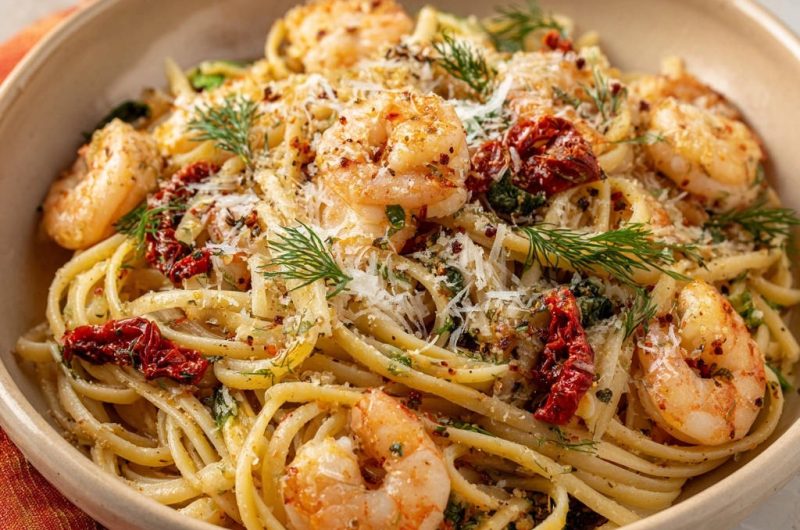
Lemony Garlic Shrimp Linguine
Course: Main CourseCuisine: Italian-AmericanDifficulty: easy4
servings15
minutes15
minutes650
kcal30
minutesThis Lemony Garlic Shrimp Linguine guarantees perfectly tender, juicy shrimp every time, paired with bright sun-dried tomatoes and fresh dill. A restaurant-quality meal made easy for any weeknight.
Ingredients
12 ounces linguine
1 pound large shrimp, peeled and deveined
3 tablespoons olive oil, divided
4 cloves garlic, minced
1/2 cup chopped sun-dried tomatoes (oil packed, drained)
1/4 teaspoon red pepper flakes (optional)
1/2 teaspoon dried oregano
1/4 cup fresh dill, chopped, plus more for garnish
1/2 cup grated Parmesan cheese, plus more for serving
Salt and freshly ground black pepper to taste
1/4 cup fresh lemon juice
1 cup reserved pasta cooking water
Directions
- Cook linguine according to package directions in generously salted water until al dente. Before draining, reserve about 1 cup of pasta cooking water. Drain the pasta and set aside.
- Pat the shrimp thoroughly dry with paper towels. This is crucial for a good sear and preventing a watery pan. Season generously with salt, black pepper, and a pinch of red pepper flakes if using.
- Heat 2 tablespoons of olive oil in a large skillet or pan over medium-high heat until shimmering. Add the seasoned shrimp in a single layer, ensuring not to overcrowd the pan. Cook for just 1-2 minutes per side, until they turn pink and opaque but are not fully cooked through. They should still have a slight translucence in the center. Immediately remove the shrimp from the pan and set aside on a plate. This prevents overcooking them.
- Reduce heat to medium. Add the remaining 1 tablespoon of olive oil to the same skillet. Add minced garlic and cook for 30 seconds until fragrant, being careful not to burn it. Stir in the chopped sun-dried tomatoes and dried oregano, cooking for another minute.
- Add the reserved pasta water and lemon juice to the skillet, bringing it to a gentle simmer. Cook for 2-3 minutes, stirring occasionally, allowing the sauce to slightly reduce and emulsify.
- Add the cooked linguine to the skillet, tossing to coat it evenly in the sauce. Stir in the 1/4 cup chopped fresh dill and 1/2 cup Parmesan cheese.
- Return the partially cooked shrimp to the pan. Toss gently with the hot pasta and sauce for just 1 minute off the heat. The residual heat from the pasta and sauce will perfectly finish cooking the shrimp, ensuring they stay tender and juicy without becoming tough or rubbery.
- Taste and adjust seasoning if needed. Serve immediately, garnished with extra fresh dill and grated Parmesan cheese.
Notes
- The key to perfectly tender shrimp is drying them thoroughly and not overcooking them initially.