Cajun Shrimp Stew: The Deep Flavor Roux Hack
Ever found yourself wanting that deeply satisfying, soul-warming Cajun Shrimp Stew, only to have your homemade version fall a little flat? I’ve been there, striving for that authentic richness, and I’ve discovered the game-changing secret. This particular Cajun Shrimp Stew recipe isn’t just about ingredients; it’s about a technique that builds unparalleled flavor, ensuring tender shrimp and a truly memorable meal every time.
Why This Cajun Shrimp Stew Will Be Your New Favorite
The “Flavor Depth Hack” Revealed: More Than Just a Roux
The true magic in this Cajun Shrimp Stew lies in mastering the roux. We’re not just thickening; we’re slow-cooking flour and oil until it reaches a deep, milk-chocolate hue.
This process transforms simple ingredients into a nutty, complex base that imparts incredible depth, moving beyond mere spice to a foundational richness that defines authentic Cajun cuisine.
Get Our Best Recipes Weekly!
Join thousands of food lovers and get delicious recipes delivered to your inbox.
Tender Shrimp, Never Rubbery: Our Secret Timing
One common pitfall is overcooking shrimp, leading to a tough, unappetizing texture. Our method ensures perfectly cooked, succulent shrimp every single time.
To avoid tough shrimp, consider trying this Creole-style shrimp and corn stew for a tender bite.
By adding them only in the final minutes, they gently poach to tenderness without ever becoming rubbery, preserving their sweet, delicate flavor.
Fluffy Rice, Every Time: A Simple Yet Crucial Step
A great stew deserves a perfect bed of rice. We’ll guide you through a simple rinsing and resting technique.
Round Out Your Meal
To complement the rich flavors of your Cajun Shrimp Stew, consider these complementary rice dishes.
- For a vibrant and easy rice option, try the Skillet Jambalaya-Style Rice, which cooks up fluffy and full of flavor.
- If you’re after a more substantial rice dish that pairs well with hearty stews, the Hearty Jambalaya recipe ensures perfectly cooked grains every time.
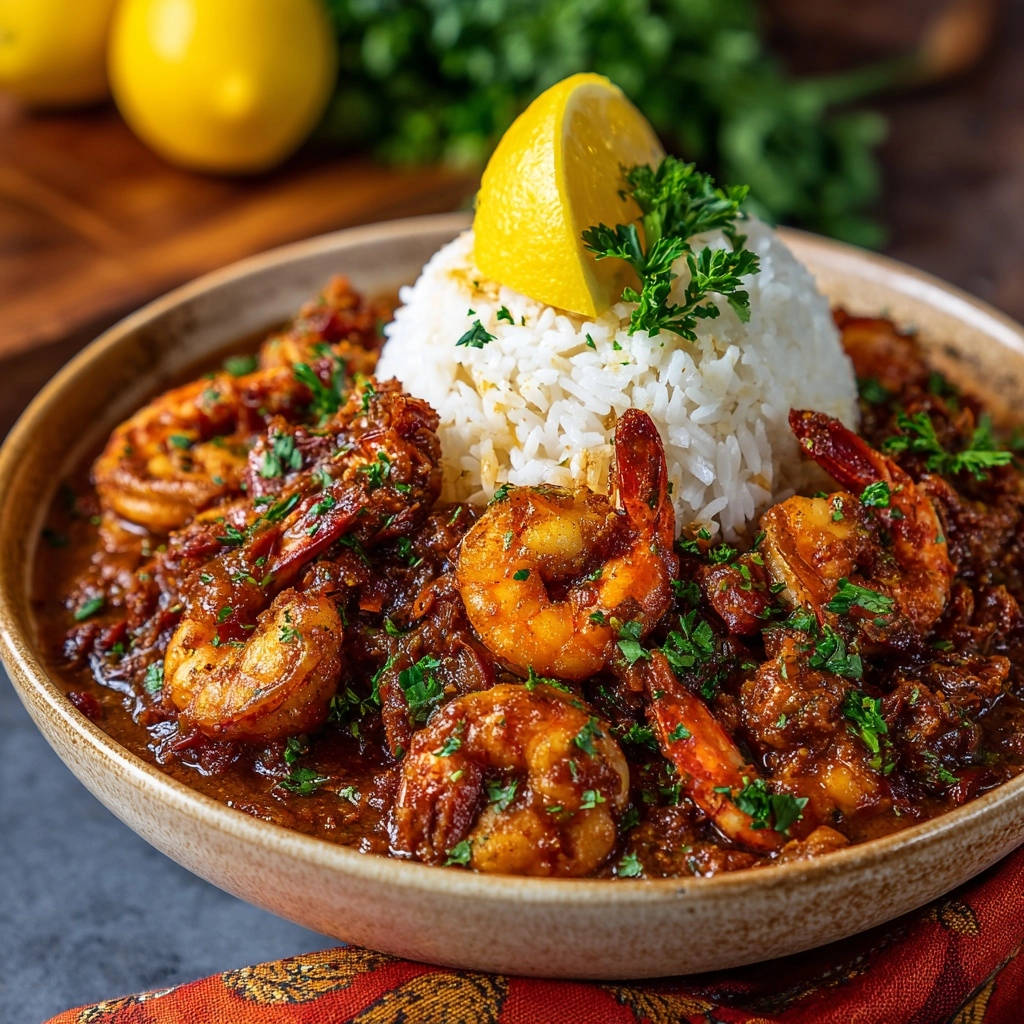
This ensures your white rice is beautifully fluffy and separate, providing the ideal textural contrast and absorbent base for the rich stew.
Quick Weeknight Comfort, Deep Weekend Flavors
While the roux builds profound flavor, this recipe is surprisingly adaptable. You can achieve robust results even on a weeknight.
Yet, it also shines as a leisurely weekend project, allowing the base to simmer longer for an even more complex and satisfying Cajun Shrimp Stew.
The Essential Building Blocks for Authentic Cajun Shrimp Stew
Core Flavor Foundation: From Roux to Broth
Cooking oil forms the essential base for our deep, flavorful roux, allowing the flour to toast evenly.
All-purpose flour combines with the oil to create the roux, which is not only a thickener but also a primary source of the stew’s nutty, toasted flavor.
Chicken broth provides the rich liquid base, infusing the stew with savory notes as it simmers and melds with the roux and vegetables.
Crushed tomatoes or tomato sauce add a layer of sweet acidity and umami, balancing the richness of the roux and providing a beautiful reddish hue to the stew.
The Holy Trinity & Aromatics: Flavor Base Extraordinaire
Onion, celery, and green bell pepper collectively form the “Holy Trinity” of Cajun cooking. These aromatics are gently sautéed into the roux, releasing sweet and savory flavors crucial for an authentic base.
Minced garlic offers a pungent, aromatic kick, intensifying the overall savory profile of the stew and deepening its complexity.
The Star of the Show: Perfectly Cooked Shrimp
Large shrimp, peeled and deveined, are the tender, sweet stars of this dish. Opt for good quality shrimp, fresh or frozen, ensuring they are properly prepared for the best texture and flavor.
Signature Spices & Fresh Finishes
Cajun seasoning blend is the backbone of the stew’s characteristic flavor. Use a salt-free variety if you prefer to control the salt content precisely.
Salt and black pepper are essential for seasoning to taste, enhancing all the other flavors in the stew.
Fresh parsley, chopped, adds a vibrant, fresh counterpoint and a beautiful pop of color as a garnish.
Lemon wedges served alongside offer a bright, acidic burst that cuts through the richness of the stew, elevating each spoonful.
Your Perfect Pairing: Fluffy White Rice
White rice serves as the traditional, comforting accompaniment, perfectly absorbing the rich, flavorful sauce of the Cajun Shrimp Stew.
Gear Up for Greatness: Essential Tools for Your Stew
For the Flavor-Building Roux: Heavy-Bottomed Pot
A large, heavy-bottomed pot or Dutch oven is absolutely crucial for making the roux. Its even heat distribution prevents scorching and ensures a consistent, deep color development without burning.
Precision & Prep: Knives and Cutting Boards
Sharp knives and sturdy cutting boards are essential for efficiently dicing the “Holy Trinity” vegetables. Uniform cuts ensure they cook evenly and release their flavors simultaneously into the roux.
Beyond the Pot: Rice Cooker & Serving Dishes
While not strictly necessary, a rice cooker can simplify the rice preparation, freeing you to focus on the stew. Beautiful serving dishes will present your delicious Cajun Shrimp Stew at its best.
Your Step-by-Step Guide to Mastering Cajun Shrimp Stew
- Rinse and Cook the Rice:
Thoroughly rinse white rice under cold water until the water runs clear. This essential step removes excess starch, guaranteeing fluffy, separate grains that won’t clump together in your finished dish.
Combine rinsed rice with 2 cups of water and a pinch of salt in a saucepan. Bring to a boil, then reduce heat to low, cover, and simmer for 15-18 minutes until all water is absorbed. Let it stand, covered, for 5 minutes off the heat before fluffing with a fork.
- Prepare the Roux:
In a large, heavy-bottomed pot or Dutch oven, heat cooking oil over medium heat until shimmering. Gradually whisk in the all-purpose flour. This forms the base of your roux, crucial for both thickening and deep flavor.
Continue whisking constantly for 8-15 minutes, aiming for a dark, peanut butter to milk chocolate color. This process develops the rich, nutty flavor that defines authentic Cajun cuisine. Do not rush, and if it burns (black specks appear), discard and start over.
- Sauté the Vegetables:
Once your roux reaches the desired deep color, add the finely diced onion, celery, and green bell pepper (the “holy trinity”). Stir them into the roux and cook for 5-7 minutes, stirring occasionally, until the vegetables soften and become aromatic. This step infuses the roux with a foundational layer of sweet and savory flavors.
Stir in the minced garlic and cook for just 1 minute more until fragrant, being careful not to let it brown, as burnt garlic can taste bitter.
- Simmer the Stew Base:
Pour in the crushed tomatoes (or tomato sauce), chicken broth, bay leaves, and Cajun seasoning blend. Stir everything well, scraping up any browned bits from the bottom of the pot, which contributes additional flavor.
Bring the mixture to a gentle simmer, then reduce heat to low, cover, and let it cook for at least 20-30 minutes, or up to an hour, stirring occasionally. This extended simmering allows all the ingredients to meld and deepen, creating the rich, complex base your stew deserves. Taste and adjust salt and pepper as needed.
- Add the Shrimp:
During the last 5-7 minutes of the stew’s cooking time, add the peeled and deveined large shrimp to the simmering liquid. Gently stir them in.
Cook just until the shrimp turn pink and opaque. Overcooking is the cardinal sin here, resulting in rubbery, tough shrimp. Watch them carefully!
- Serve and Garnish:
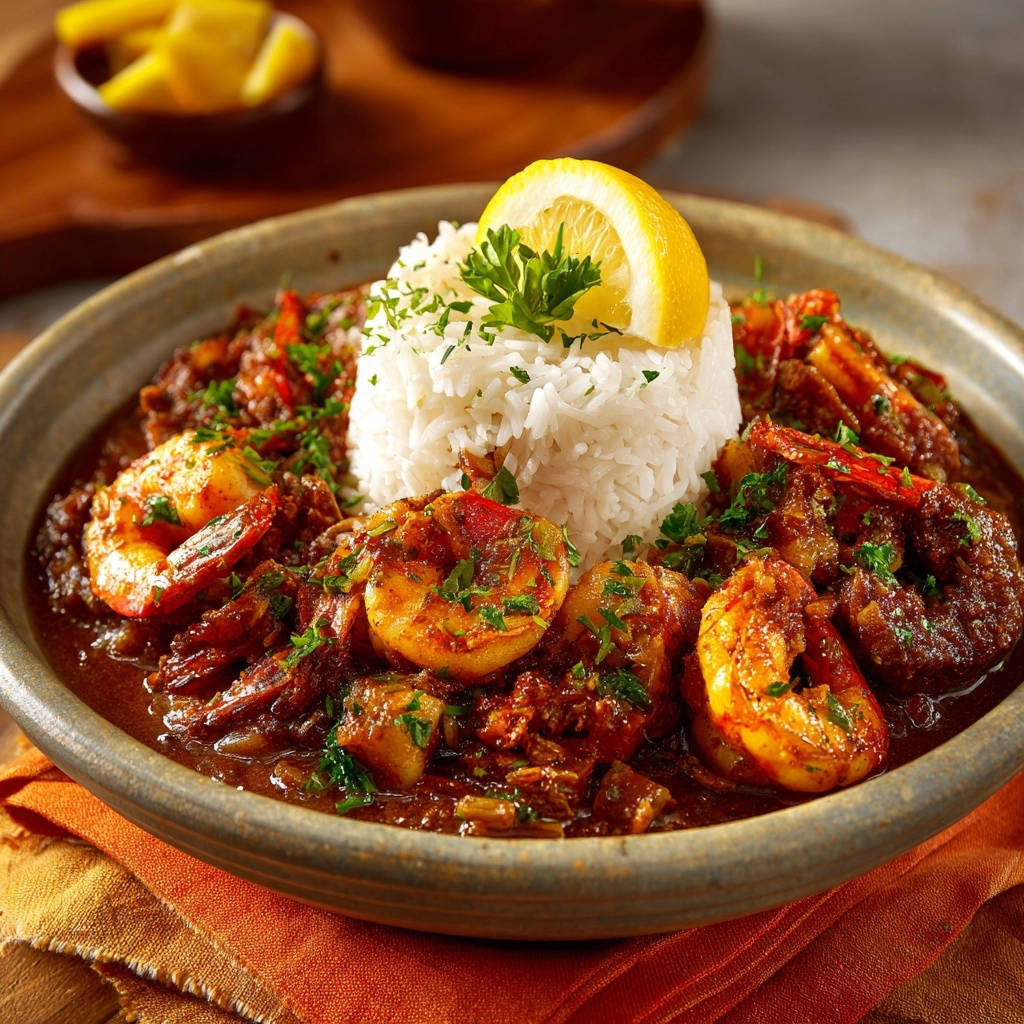
Ladle the hot, flavorful Cajun shrimp stew generously over your fluffy white rice. Garnish with fresh chopped parsley for vibrant color and fresh flavor.
Serve with a lemon wedge on the side; a squeeze of fresh lemon juice brightens the stew and cuts through its richness beautifully.
Prepping Your Perfect Rice Base
Crafting the Soul of Your Stew: The Deep Roux
Building Aromatics: The Holy Trinity’s Magic
Simmering to Perfection: Developing Deep Flavors
The Grand Finale: Perfectly Tender Shrimp
Serving Your Culinary Masterpiece
Elevate Your Stew: Expert Tips for Unforgettable Flavor
Don’t Rush the Roux: The darker your roux (without burning!), the more profound the nutty flavor it imparts to your stew. Whisk consistently and manage the heat, knowing it can take up to 15 minutes or more. This is the ultimate “flavor depth hack.”
Timing is Everything for Tender Shrimp: Always add shrimp in the final minutes of cooking. Shrimp cook very quickly, turning pink and opaque in just 5-7 minutes. Remove the pot from the heat as soon as they’re done to prevent them from becoming tough and rubbery.
Taste and Adjust: Cajun seasoning blends vary in salt content. If using a salt-free blend, add salt gradually. Always taste your stew towards the end of the simmering process before adding the shrimp, and adjust salt and pepper to your preference.
Explore Serving Options: While white rice is traditional, consider serving your stew over brown rice, quinoa, or even creamy polenta for a different texture and nutritional profile. Crusty bread is also excellent for soaking up the rich sauce.
Sweat, Don’t Brown, Your Trinity: When sautéing the “holy trinity” (onion, celery, bell pepper), aim to soften them gently rather than browning. This process allows their natural sugars to sweeten and their complex aromas to develop fully, laying a nuanced base for your stew.
Roux Mastery: Patience is Your Best Ingredient
Shrimp Savvy: Preventing Overcooking
Seasoning Secrets: Balancing the Cajun Spice
Beyond White Rice: Alternative Servings
Maximizing Aromatics: Gentle Sautéing Techniques
Solving Common Cajun Shrimp Stew Quandaries
“My Stew Tastes Flat or Lacks Depth!”
This is often due to an underdeveloped roux or insufficient simmering time. Ensure your roux reaches a deep, rich brown color, and allow the stew base to simmer for at least 30-60 minutes so flavors can fully meld. A final taste test and adjustment of seasonings (salt, pepper, extra Cajun seasoning) can also make a significant difference.
“My Shrimp Are Rubbery!”
Rubbery shrimp are a clear sign of overcooking. Shrimp only need a few minutes (5-7) to cook through until they turn pink and opaque. Add them towards the very end of the stew’s cooking time, and remove the pot from the heat as soon as they are done.
“My Roux Burned!”
If your roux develops black specks or smells burnt, unfortunately, you must discard it and start over. A burnt roux will impart a bitter, unpleasant taste to your entire stew. Ensure you use medium heat and whisk constantly throughout the roux-making process.
“The Stew is Too Thin/Thick!”
If your stew is too thin, you can continue simmering it uncovered to reduce and thicken, or whisk a small amount of flour or cornstarch with cold water into a slurry and stir it into the simmering stew to thicken. If it’s too thick, simply add a splash more chicken broth or water until it reaches your desired consistency.
Making the Most of Your Cajun Shrimp Stew
Beyond Rice: Creative Serving Suggestions
While traditional with white rice, consider serving your Cajun Shrimp Stew over creamy grits or polenta for a Southern twist. For a lighter meal, it’s fantastic with a side of crusty French bread for dipping, or even a bed of cauliflower rice. A simple green salad with a vinaigrette also makes a perfect accompaniment to balance the richness.
Storing Leftovers: Keeping the Flavor Alive
Cajun Shrimp Stew stores wonderfully! Allow the stew to cool completely, then transfer it to an airtight container. It will keep safely in the refrigerator for up to 3-4 days. For longer storage, you can freeze the stew (without shrimp, if possible, as shrimp can sometimes become tougher when reheated after freezing) for up to 3 months. Thaw overnight in the refrigerator before reheating.
Can You Make It Ahead? Prep Tips for Busy Cooks
Absolutely! The stew base (without the shrimp) can be made a day or two in advance. Prepare the roux, cook the vegetables, and simmer the broth and tomato base. Store this base in the refrigerator. When you’re ready to serve, gently reheat the base and then add the fresh shrimp during the last 5-7 minutes of cooking. This is a perfect strategy for entertaining or busy weeknights.
Your Burning Questions About Cajun Shrimp Stew, Answered!
What is the “Holy Trinity” in Cajun cooking?
The “Holy Trinity” in Cajun and Creole cuisine refers to the aromatic base of finely diced onions, celery, and green bell peppers. It’s the flavorful foundation for countless dishes, providing a sweet, savory, and slightly peppery starting point for deep flavor development, much like mirepoix in French cooking.
Why is a dark roux so important for this recipe?
A dark roux is crucial because it develops a deep, nutty, and complex flavor that cannot be achieved with a lighter roux. Beyond its thickening properties, a dark roux contributes significantly to the characteristic “soul” and rich taste profile of authentic Cajun stews and gumbos. It’s truly the heart of the “flavor depth hack” in this recipe.
Can I use frozen shrimp?
Yes, you can absolutely use frozen shrimp! Just make sure to thaw them completely before adding them to the stew. Pat them dry to remove excess moisture, as this helps prevent them from watering down the stew and allows them to cook more evenly. Add them in the final 5-7 minutes of cooking, just as you would fresh shrimp.
Is this stew very spicy?
The spice level of this Cajun Shrimp Stew is adjustable. It primarily comes from the Cajun seasoning blend you use. Many commercial blends vary in heat. If you prefer a milder stew, choose a mild Cajun seasoning. For more heat, you can add a pinch of cayenne pepper, a dash of hot sauce, or a spicier Cajun blend to taste.
What’s the best way to reheat Cajun Shrimp Stew?
To reheat, gently warm the stew on the stovetop over low to medium-low heat, stirring occasionally, until it’s heated through. If the stew has thickened considerably in the fridge, you may need to add a splash of chicken broth or water to reach your desired consistency. Avoid boiling vigorously, especially if shrimp are already in the stew, to prevent them from becoming tough.
Ready to Dive In? Share Your Cajun Shrimp Stew Success!
You’ve now unlocked the secrets to a truly exceptional Cajun Shrimp Stew – a dish that promises restaurant-quality depth and tender shrimp every single time. This isn’t just a recipe; it’s a technique for culinary confidence, empowering you to create a meal that will impress everyone at your table.
Don’t just take our word for it! Dive into your kitchen, master that deep roux, and savor the incredible flavors. We’d love to hear about your experience. Share your creations and feedback in the comments below, or tag us on social media. Happy cooking, food-loving fam!
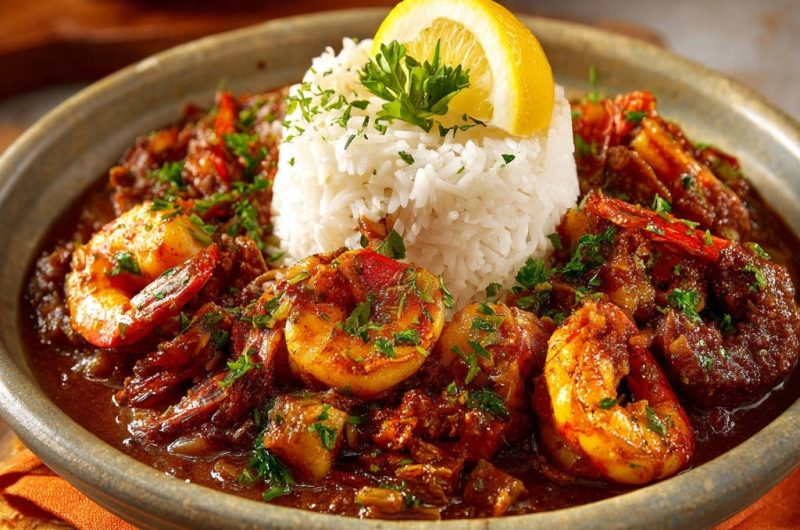
Cajun Shrimp Stew
Course: Soups-StewsCuisine: American CuisineDifficulty: easy4
servings25
minutes1
hour60
minutesAmerican Cuisine
Ingredients
1 pound large shrimp, peeled and deveined
1 cup white rice
2 tablespoons cooking oil (like vegetable or canola)
1/4 cup all-purpose flour
1 large onion, finely diced
2 celery stalks, finely diced
1 green bell pepper, finely diced
3 cloves garlic, minced
1 (14.5 ounce) can crushed tomatoes or tomato sauce
3 cups chicken broth
2 bay leaves
2 tablespoons Cajun seasoning blend (salt-free preferred if adjusting salt separately)
Salt to taste
Black pepper to taste
Fresh parsley, chopped, for garnish
Lemon wedges, for serving
Directions
- First, let’s tackle that rice. Rinse 1 cup of white rice thoroughly under cold water until the water runs clear. This step is key for fluffy, separate grains! Combine the rinsed rice with 2 cups of water and a pinch of salt in a saucepan. Bring to a boil, then immediately reduce heat to low, cover, and simmer for 15-18 minutes, or until all water is absorbed. Remove from heat and let stand, covered, for 5 minutes before fluffing with a fork.
- Now, for the real flavor depth hack: the roux. This is where your stew gets its soul. In a large, heavy-bottomed pot or Dutch oven, heat the 2 tablespoons of oil over medium heat. Once shimmering, gradually whisk in the 1/4 cup of flour. Continue to whisk constantly. This is NOT the time to walk away. You’re aiming for a dark, peanut butter-colored roux, or even darker, like milk chocolate. This can take 8-15 minutes. The darker the roux, the deeper and nuttier the flavor of your stew. Don’t rush it and don’t let it burn; if you see black specks, start over!
- Once your roux reaches that beautiful deep color, add the diced onion, celery, and bell pepper (the “holy trinity”). Stir them into the roux and cook for 5-7 minutes, stirring occasionally, until the vegetables soften and release their aromatic goodness. This step builds another layer of flavor. Then, stir in the minced garlic and cook for just 1 minute more, until fragrant. Don’t let the garlic brown.
- Pour in the crushed tomatoes or tomato sauce, chicken broth, bay leaves, and Cajun seasoning blend. Stir well to combine, scraping any bits from the bottom of the pot. Bring the mixture to a gentle simmer, then reduce the heat to low, cover, and let it cook for at least 20-30 minutes, or up to an hour, stirring occasionally. This extended simmering time allows all those magnificent flavors to meld and deepen, creating the rich base your stew deserves. Taste and adjust salt and pepper as needed.
- Finally, the shrimp! To ensure your shrimp are perfectly tender and never rubbery, add them to the simmering stew during the last 5-7 minutes of cooking. Stir gently, and cook just until the shrimp turn pink and opaque. Overcooking is the enemy of tender shrimp.
- Ladle the flavorful Cajun shrimp stew over your fluffy white rice. Garnish generously with fresh chopped parsley and a lemon wedge for a burst of bright acidity. Get ready to impress your taste buds!
Notes
- The key to deep flavor is a dark, slow-cooked roux. Don’t rush it!