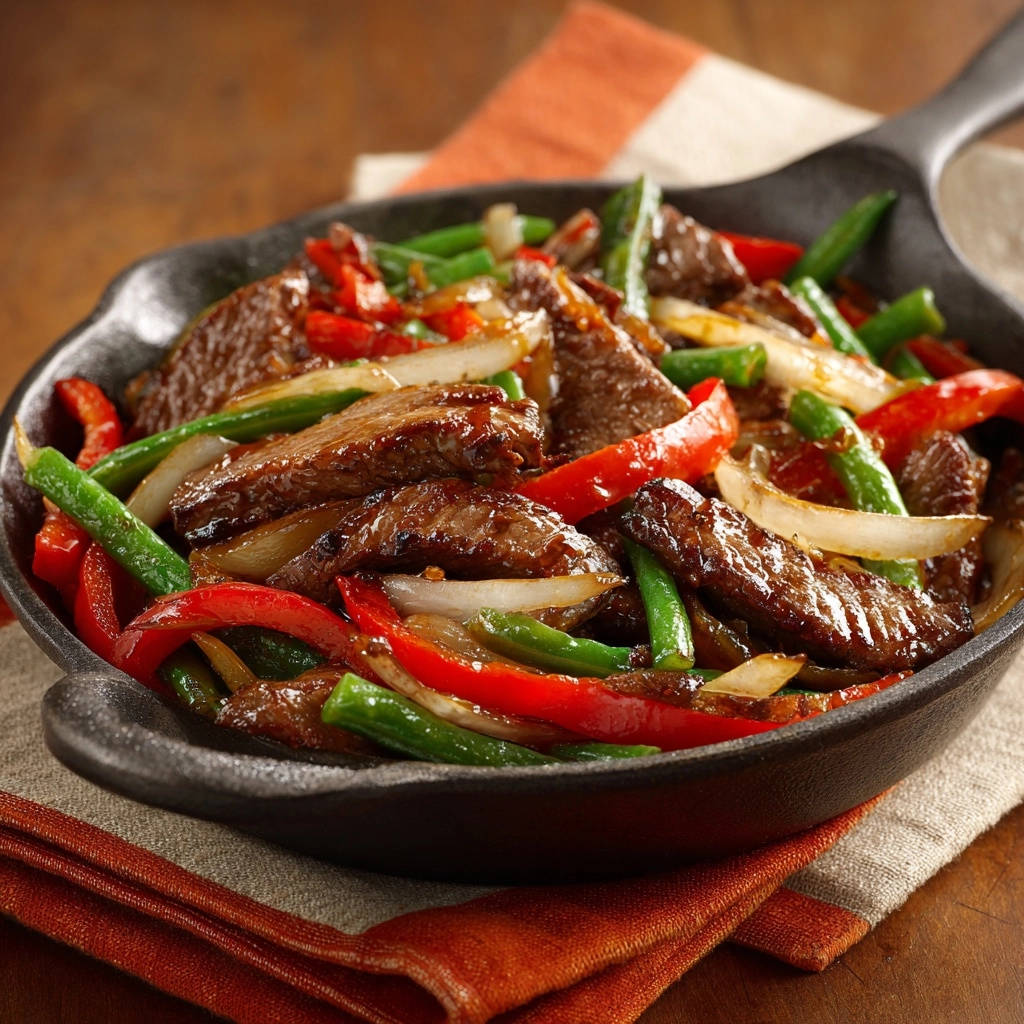
Skillet Beef & Veggies: Tender & Flavorful Every Time
There’s nothing more disheartening than a beautiful Skillet Beef & Veggies dish ruined by dry, chewy beef. I’ve perfected this recipe over countless test runs, ensuring your beef is always incredibly tender thanks to a simple, expert velveting technique. Get ready for a weeknight dinner that consistently delivers vibrant flavors and a delightful texture, proving that a speedy meal doesn’t compromise on quality.
Skillet Beef & Veggies: Your New Favorite Weeknight Meal
This Skillet Beef & Veggies recipe isn’t just another quick meal; it’s a game-changer. It transforms everyday ingredients into a restaurant-quality dish, perfect for busy evenings when you crave something satisfying and nutritious.
The “Velvet” Secret to Unbeatable Tenderness
The core of this recipe’s success lies in our “velveting” technique. By coating the thinly sliced beef in cornstarch, soy sauce, and oil, we create a protective barrier. This prevents the beef from drying out during high-heat cooking, guaranteeing succulent, melt-in-your-mouth tenderness every time you make Skillet Beef & Veggies.
Get Our Best Recipes Weekly!
Join thousands of food lovers and get delicious recipes delivered to your inbox.
Quick & Flavorful: A Speedy Dinner Solution
From prep to plate, this dish comes together in under 30 minutes, making it an ideal choice for busy weeknights. Despite its speed, the combination of fresh aromatics and a perfectly balanced pan sauce ensures a robust, savory flavor that truly satisfies.
A Customizable Canvas for Fresh Vegetables
The beauty of this skillet stir-fry is its versatility. It’s an excellent way to incorporate a rainbow of fresh, crisp-tender vegetables into your diet. This recipe brings vibrant color and essential nutrients to your dinner table, easily adaptable to what’s in season or your family’s preferences.
Skillet Beef & Veggies: Ingredients You’ll Need
- 1 pound beef sirloin or flank steak, thinly sliced against the grain
- 1 tablespoon cornstarch (for beef marinade)
- 1 tablespoon soy sauce (for beef marinade)
- 1 teaspoon vegetable oil (for beef marinade)
- 2 tablespoons vegetable oil (for cooking)
- 1 red bell pepper, cored and sliced
- 1 cup green beans, trimmed and halved
- 1/2 white onion, sliced
- 2 cloves garlic, minced
- 1 teaspoon fresh ginger, grated (or 1/2 teaspoon ground ginger)
- 1/4 cup soy sauce (for sauce)
- 2 tablespoons water (for sauce)
- 1 tablespoon brown sugar (for sauce)
- 1 teaspoon cornstarch (for sauce)
- Salt and black pepper to taste
The Building Blocks of Flavor: Key Ingredients Spotlight
Understanding the role of each component elevates your cooking. Here’s why specific ingredients are chosen for this Skillet Beef & Veggies recipe.
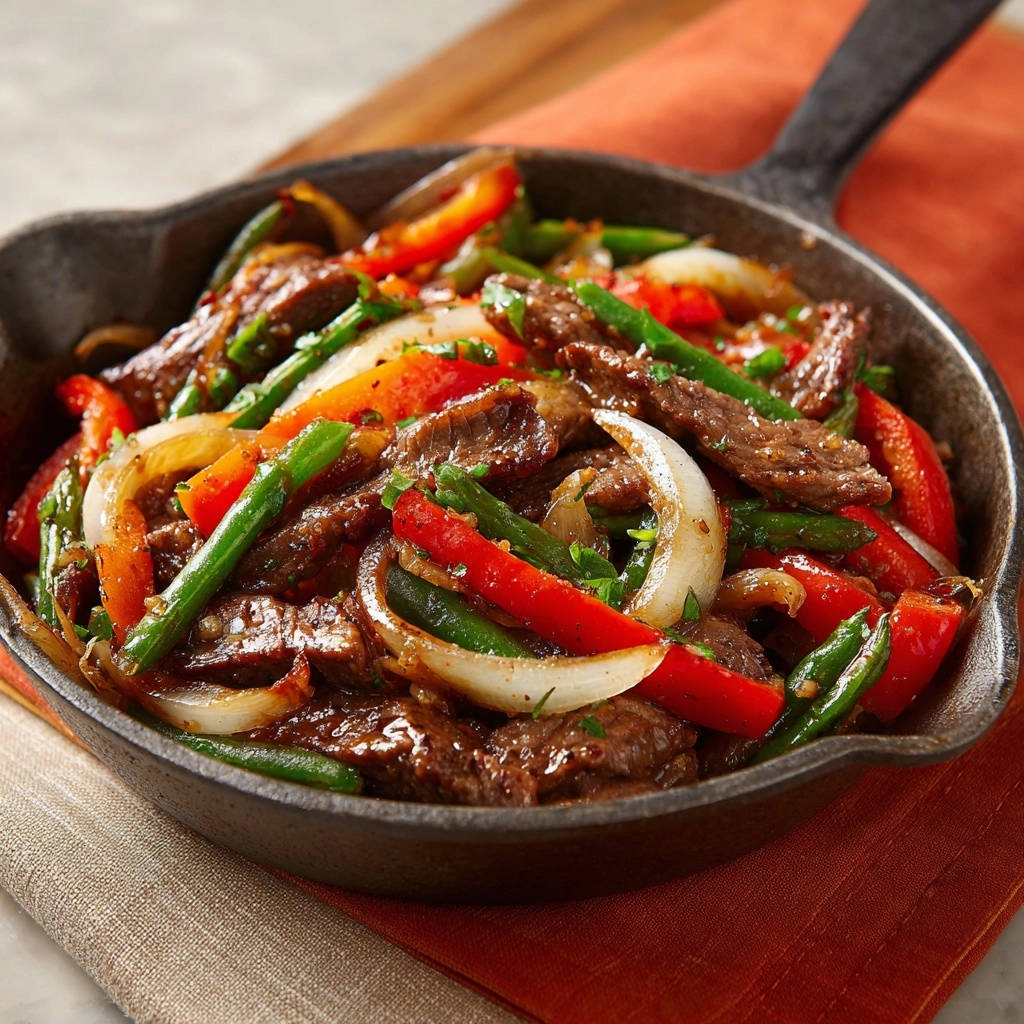
Selecting Your Beef: Cut & Preparation
Sirloin or flank steak are excellent choices for this dish due to their leanness and ability to absorb flavors quickly. Thinly slicing the beef against the grain is crucial; it shortens muscle fibers, resulting in a more tender bite.
Proper slicing ensures the beef cooks evenly and maintains its delicate texture after velveting.
The Tenderness Trinity: Cornstarch, Soy Sauce & Oil Marinade
This marinade is the secret to our tender beef. Cornstarch creates a protective coating, sealing in moisture and preventing overcooking.
Soy sauce infuses umami flavor and aids in tenderization, while a touch of oil helps conduct heat evenly and keeps the beef from sticking during searing.
Vibrant Veggies: For Color and Crunch
Red bell pepper, green beans, and white onion offer a delightful contrast in flavor and texture to the tender beef. They add essential vitamins, fiber, and a beautiful pop of color.
Feel free to experiment with other additions like broccoli florets, sliced mushrooms, or crisp snow peas for varied nutrition and visual appeal.
Aromatic Powerhouses: Garlic & Ginger
Fresh garlic and ginger are non-negotiable for an authentic stir-fry flavor profile. They provide a warm, pungent, and slightly spicy aroma that forms the foundation of the dish’s depth.
These aromatics are added briefly at the end of vegetable cooking to prevent burning and maximize their fragrant impact.
Crafting the Perfect Pan Sauce
Our balanced sauce combines soy sauce for savory depth, water to adjust consistency, and brown sugar for a hint of sweetness that caramelizes beautifully. Cornstarch is key here, thickening the sauce to a glossy, clingy texture that coats every piece of beef and vegetable.
This creates a cohesive, flavorful coating, ensuring every bite of your Skillet Beef & Veggies is perfectly sauced.
Tools for Success: Preparing Your Skillet Beef & Veggies
Having the right tools makes all the difference in achieving a professional result. These are the essentials for our Skillet Beef & Veggies.
The Mighty Skillet (or Wok!)
A large cast-iron skillet or a wok is ideal for this recipe. Their ability to retain high, even heat is crucial for searing the beef quickly and stir-frying vegetables efficiently, preventing steaming and promoting browning.
Sharp Knife & Cutting Board
Precision is key for uniform cooking. A sharp knife ensures you can thinly slice the beef against the grain and prepare vegetables consistently, which impacts both cooking time and texture.
Mixing Bowls & Whisk
You’ll need a medium bowl for marinating the beef and a small bowl for whisking together the sauce. A whisk ensures the cornstarch in both preparations is fully dissolved, preventing lumps and ensuring a smooth, even coating.
Mastering the Method: A Step-by-Step Guide to Perfect Skillet Beef & Veggies
Follow these detailed steps to create a truly exceptional Skillet Beef & Veggies dish, packed with flavor and perfectly tender beef.
- Unlock Tender Beef: The Velveting Marinade
In a medium bowl, combine your thinly sliced beef with 1 tablespoon cornstarch, 1 tablespoon soy sauce, and 1 teaspoon vegetable oil. Toss until every piece is evenly coated.
This “velveting” technique is the secret to incredibly tender and juicy beef. Let it rest for at least 10 minutes while you prep your other ingredients; this allows the cornstarch to work its magic.
- Whisk Up Your Flavorful Sauce
In a small bowl, whisk together the 1/4 cup soy sauce, 2 tablespoons water, brown sugar, and 1 teaspoon cornstarch designated for the sauce. Ensure the cornstarch is completely dissolved to avoid lumps.
Set this mixture aside. It’s important to have it ready to pour in when the time comes, as the cooking process moves quickly.
- Achieving the Perfect Sear: Cooking the Beef
Heat 1 tablespoon of vegetable oil in your large cast-iron skillet or wok over high heat until it’s shimmering and just starting to smoke. This high heat is essential for a proper sear.
Add half of the marinated beef in a single layer, ensuring the pan is not overcrowded. Overcrowding drops the pan temperature, causing the beef to steam instead of sear, which leads to dry, gray results. Cook for just 1 to 2 minutes per side until beautifully browned and cooked through, then remove to a clean plate.
Repeat with the remaining beef, adding a little more oil if needed. Quick searing locks in juices and creates a delicious browned crust.
- Stir-Frying the Crisp-Tender Veggies
Add the remaining 1 tablespoon of vegetable oil to the skillet. Toss in the sliced red bell pepper, green beans, and white onion. Stir-fry these vibrant vegetables for 3-5 minutes.
You’re aiming for a crisp-tender texture-still retaining a slight bite, but softened and vibrant in color.
- Infusing Aromatics: Garlic and Ginger
Once your vegetables are crisp-tender, add the minced garlic and grated ginger to the skillet. Stir-fry for only about 30 seconds.
Adding them at this stage allows their potent fragrance to infuse the vegetables without burning, which would turn them bitter.
- Bringing It All Together: The Sauce & Simmer
Return all the cooked beef to the skillet with the vegetables. Give your prepared sauce a quick whisk again to ensure the cornstarch hasn’t settled, then pour it evenly over the beef and vegetables.
Toss everything together to coat thoroughly. Continue to cook for 1-2 minutes, stirring constantly, until the sauce visibly thickens and coats all the ingredients in a glossy sheen. This quick simmer allows the flavors to meld beautifully.
- The Final Flourish: Taste & Serve
Taste your Skillet Beef & Veggies and adjust the seasoning with salt and pepper if desired. Often, the soy sauce provides enough sodium, but personal preference is key.
Serve immediately, perhaps over fluffy rice or springy noodles, for a complete and satisfying meal.
More to Try
If you enjoyed this beef and veggie skillet, explore these other hearty dishes.
- For a comforting start to your meal, try this Classic Meatball & Tomato Soup, featuring tender meatballs that complement the robust flavors of the skillet.
- If you’re craving another slow-cooked beef experience, this Hearty Beef & Veggie Braise offers a similar depth of flavor and melt-in-your-mouth tenderness.
Chef’s Edge: Advanced Tips for Your Skillet Beef & Veggies
Elevate your Skillet Beef & Veggies with these expert insights, ensuring consistently delicious results.
-
The Golden Rule of Searing: Don’t Overcrowd! This is paramount for tender beef. Crowding the pan lowers the temperature, preventing a proper sear and causing the beef to steam in its own juices. Steam results in gray, tough meat. Cook in batches for that beautiful browning and locked-in tenderness.
-
Perfecting Vegetable Crisp-Tenderness: Pay close attention to your vegetables. You want them bright, slightly softened, but still with a noticeable crunch. High heat and quick stir-frying prevent them from becoming soggy. Don’t overcook!
-
Taste & Adjust Like a Pro: Always taste your sauce before the final serve. It’s your last chance to balance the sweet, salty, and savory notes. Add a pinch more brown sugar for sweetness, a dash more soy sauce for umami, or a grind of black pepper for warmth.
-
Amping Up the Heat: For those who love a kick, consider adding a pinch of red pepper flakes with the garlic and ginger. A swirl of sriracha or chili garlic sauce at the end can also introduce a vibrant, spicy element without compromising the core flavors of your Skillet Beef & Veggies.
-
Pre-Slicing Perfection: To achieve ultra-thin, uniform slices of beef, place your steak in the freezer for 15-20 minutes before slicing. It firms up just enough to make precise cuts against the grain much easier, enhancing the overall texture of your dish.
Beyond the Recipe: Customizing Your Skillet Beef & Veggies
This Skillet Beef & Veggies recipe is wonderfully adaptable. Don’t be afraid to make it your own with these creative variations.
Seasonal Vegetable Swaps
Feel free to substitute or add other quick-cooking vegetables. Broccoli florets, sliced mushrooms, snow peas, water chestnuts, or thin carrot strips are all excellent additions. Adjust cooking times slightly to ensure they reach that ideal crisp-tender stage.
Protein Power: Other Cuts or Alternatives
While beef sirloin is fantastic, you can easily use chicken breast or thigh, sliced thin, with the same velveting technique. Shrimp also works beautifully, requiring even less cooking time. For a plant-based option, cubed firm tofu or tempeh can be stir-fried until golden before adding the sauce.
Gluten-Free & Low-Sodium Adaptations
To make this recipe gluten-free, simply swap regular soy sauce for tamari or coconut aminos. For a low-sodium version, opt for low-sodium soy sauce and adjust the salt to taste, perhaps incorporating a pinch of nutritional yeast for an umami boost.
Sweet & Spicy Enhancements
If you prefer a sweeter profile, add a teaspoon of honey or maple syrup to the sauce mixture. For more heat, a teaspoon of chili garlic sauce or a generous pinch of red pepper flakes can be added along with the garlic and ginger, creating a more dynamic Skillet Beef & Veggies experience.
What to Serve with Your Skillet Beef & Veggies
Round out your meal with these perfect accompaniments that complement the rich flavors of your Skillet Beef & Veggies.
Classic Pairings: Rice and Noodles
The most popular choices are often the best. Fluffy white rice, nutty brown rice, aromatic jasmine rice, or even cauliflower rice make a great base for soaking up the delicious sauce. For noodles, consider classic lo mein noodles, thin rice vermicelli, or even quick-cooking ramen without the seasoning packet.
Lighter Options & Fresh Sides
For a lighter meal, serve your Skillet Beef & Veggies over quinoa or alongside a fresh, crisp green salad with a light vinaigrette. These options add an extra layer of texture and freshness without being too heavy.
Garnishes for a Finishing Touch
A few simple garnishes can elevate both the presentation and flavor. Sprinkle with toasted sesame seeds for a nutty crunch, finely chopped green onions for a fresh, mild oniony bite, or a tiny drizzle of toasted sesame oil just before serving for an extra layer of aromatic depth.
Smart Meal Prep: Storage & Make-Ahead for Your Skillet Beef & Veggies
Planning ahead makes weeknight cooking a breeze. Here’s how to manage your Skillet Beef & Veggies for maximum convenience.
Storing Leftovers Safely
Leftover Skillet Beef & Veggies should be transferred to an airtight container and refrigerated promptly. It will maintain its quality and flavor for up to 3-4 days. Ensure it cools completely before sealing to prevent condensation.
Best Reheating Practices
To reheat, warm the dish gently in a skillet over medium heat, adding a splash of water or broth to prevent dryness. Alternatively, microwave in short bursts, stirring in between, until heated through. Avoid overcooking, which can toughen the beef and soften the vegetables too much.
Prepping Ingredients in Advance
Save time on cooking day by prepping ingredients in advance. You can slice the beef and vegetables, mince the garlic, and grate the ginger up to a day ahead. Store them in separate airtight containers in the refrigerator. The beef marinade can also be applied a few hours before cooking.
Troubleshooting Your Skillet Beef & Veggies: Common Fixes
Even expert cooks encounter issues. Here’s how to tackle common problems with your Skillet Beef & Veggies.
Why is My Beef Still Chewy?
Chewy beef usually stems from not slicing against the grain, insufficient marinating time, or overcrowding the pan during searing. Ensure your slices are thin, allow the beef to marinate for at least 10 minutes, and always cook in batches to maintain high heat for a quick sear, not a steam.
My Sauce Isn’t Thickening! What Happened?
If your sauce isn’t thickening, it’s likely due to insufficient cooking time after adding the cornstarch, or the cornstarch settling at the bottom of the bowl. Make sure to whisk the sauce well just before pouring it in, and cook for the full 1-2 minutes, stirring constantly, to activate the cornstarch.
Veggies Are Too Soggy/Too Raw
Soggy vegetables usually mean they were overcooked or the pan wasn’t hot enough, leading to steaming. Raw vegetables indicate they didn’t cook long enough or were cut too thick. Ensure high heat for stir-frying and cut vegetables uniformly for even cooking. Aim for crisp-tender.
My Dish Tastes Bland or Too Salty
A bland taste might mean you need to adjust the salt, pepper, or add a touch more soy sauce or brown sugar. If it’s too salty, use a low-sodium soy sauce next time. For an immediate fix, a squeeze of lime juice can brighten flavors, or a bit of water can dilute excessive saltiness.
Skillet Beef & Veggies FAQs: All Your Questions Answered
Get quick answers to common questions about making the best Skillet Beef & Veggies.
Can I use a different cut of beef?
Yes, you can. While sirloin and flank steak are recommended for their tenderness and quick cooking, other lean cuts like skirt steak or even beef tenderloin can be used. Adjust cooking times as needed to prevent overcooking, particularly with very lean cuts.
What is “velveting” beef, and is it essential?
Velveting is a Chinese cooking technique where meat is coated in a mixture of cornstarch, egg white (optional), and seasoning before cooking. It creates a protective layer that locks in moisture, resulting in incredibly tender, smooth, and juicy beef. Yes, it is highly recommended for this recipe to prevent dry, chewy beef.
How spicy can I make this Skillet Beef & Veggies recipe?
You can easily control the heat. For a mild kick, add a pinch of red pepper flakes with the ginger and garlic. For more significant heat, incorporate 1-2 teaspoons of chili garlic sauce or a dash of sriracha into the pan sauce. Taste as you go to find your perfect spice level.
Is this recipe freezer-friendly?
The cooked Skillet Beef & Veggies can be frozen for up to 2-3 months in an airtight container. Be aware that the texture of the vegetables may soften significantly upon thawing and reheating. It’s best reheated gently in a skillet, potentially with a fresh splash of sauce, to revive flavors.
Can I make this vegetarian or vegan?
Absolutely! This recipe easily adapts to be vegetarian or vegan. Substitute the beef with firm tofu (pressed and cubed), tempeh, or a medley of mushrooms. Ensure you use a plant-based soy sauce and adjust any other animal-derived ingredients if necessary.
Whip Up a Winner: Your Skillet Beef & Veggies Journey Ends Here
You now possess all the knowledge and expert tips to create a truly exceptional Skillet Beef & Veggies dish, free from the woes of dry beef. This recipe is more than just a meal; it’s a testament to how simple techniques can transform everyday ingredients into something spectacular.
I encourage you to embrace the “velvet” secret and bring this tender, flavorful weeknight dinner to your table soon. Share your successes and any creative twists you add by leaving a comment below or tagging us on social media!
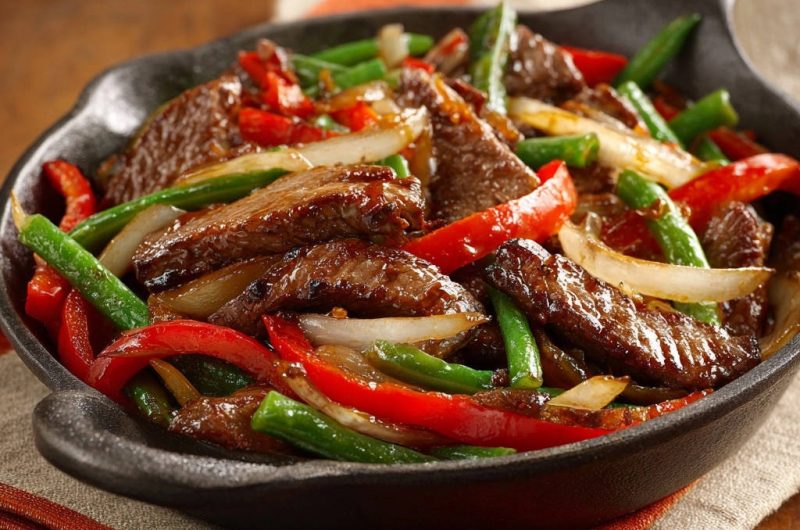
Skillet Beef & Veggies
Course: Main CourseCuisine: Asian cuisineDifficulty: easy4
servings20
minutes15
minutes35
minutesAsian cuisine
Ingredients
1 pound beef sirloin or flank steak, thinly sliced against the grain
1 tablespoon cornstarch (for beef marinade)
1 tablespoon soy sauce (for beef marinade)
1 teaspoon vegetable oil (for beef marinade)
2 tablespoons vegetable oil (for cooking)
1 red bell pepper, cored and sliced
1 cup green beans, trimmed and halved
1/2 white onion, sliced
2 cloves garlic, minced
1 teaspoon fresh ginger, grated (or 1/2 teaspoon ground ginger)
1/4 cup soy sauce (for sauce)
2 tablespoons water (for sauce)
1 tablespoon brown sugar (for sauce)
1 teaspoon cornstarch (for sauce)
Salt and black pepper to taste
Directions
- Unlock Tender Beef: In a medium bowl, combine the thinly sliced beef with 1 tablespoon cornstarch, 1 tablespoon soy sauce, and 1 teaspoon vegetable oil. Toss to coat evenly. This is our secret to “velveting” the beef, ensuring it stays incredibly tender and juicy during cooking. Let it sit for at least 10 minutes while you prepare other ingredients.
- In a small bowl, whisk together the remaining 1/4 cup soy sauce, 2 tablespoons water, brown sugar, and 1 teaspoon cornstarch for the sauce. Set aside.
- Heat 1 tablespoon of vegetable oil in a large cast-iron skillet or wok over high heat until it’s shimmering. Add half of the marinated beef in a single layer. Do not overcrowd the pan! This is crucial for achieving a good sear instead of steaming the beef, which leads to dryness. Cook for 1 to 2 minutes per side until nicely browned and just cooked through. Remove the beef to a plate and repeat with the remaining beef, adding a little more oil if needed.
- Add the remaining 1 tablespoon of vegetable oil to the skillet. Add the sliced red bell pepper, green beans, and white onion. Stir-fry for 3-5 minutes until the vegetables are crisp-tender.
- Add the minced garlic and grated ginger to the skillet with the vegetables. Stir-fry for another 30 seconds until fragrant.
- Return all the cooked beef to the skillet with the vegetables. Give the prepared sauce a quick whisk again and pour it over the beef and vegetables. Toss everything together to coat evenly. Cook for 1-2 minutes, stirring constantly, until the sauce thickens and coats the ingredients beautifully.
- Taste and adjust seasoning with salt and pepper if desired. Serve immediately, perhaps over rice or noodles!
Notes
- The secret to tender beef is the cornstarch marinade, known as ‘velveting’, which keeps the beef juicy during cooking.